
Bright porcelain nails can enhance any hand, but their removal can seem like a daunting task. From health concerns to the risks of damaging the natural nail, you must remember that improper removal of these embellishments can lead to significant discomfort and permanent damage. Let’s take a look at this process to ensure a hassle-free experience.
Removing Porcelain Nails: A Tumultuous History
The removal of porcelain nails has become both an art and a science thanks to the constant evolution of the personal care field. Throughout the 20th century, nail procedures experienced a real boom, with the development of a multitude of techniques to beautify hands. In this context, the application and removal of porcelain nails quickly became very popular.
It should be noted that porcelain was used long before this for various artistic or domestic purposes, but its use in the cosmetic field is not as old. Notably for creating longer and stronger nails than usual. Just as their application requires specific expertise, ‘removing porcelain nails’ also requires particular know-how to prevent any potential damage to the natural nail bed.
Over time, different methods for ‘removing porcelain nails’ have been developed—certainly due not only to changing needs but also thanks to scientific advances in this sector. The early techniques were quite rudimentary, often involving excessive force that could damage the underlying skin layers.
At the turn of the millennium, there was a real innovation in how we understand and treat our nails. Gentle chemicals began to be used to ‘remove porcelain nails’. These specially designed solvents allow for the detachment of porcelain nails from natural nails without causing excessive damage, making the process easier and less painful.
It is worth mentioning that the Internet has played a crucial role in disseminating information about best practices for ‘removing porcelain nails’. From video tutorials to beauty blogs, there is a myriad of information available today to help safely navigate this process. Despite this, it is advisable to consult a professional for this delicate task to avoid any potential risks.
‘Removing porcelain nails’ is a practice that has evolved over time thanks to technological and scientific advancements. What was once a laborious and potentially dangerous task can now be accomplished with ease and safety when done correctly.
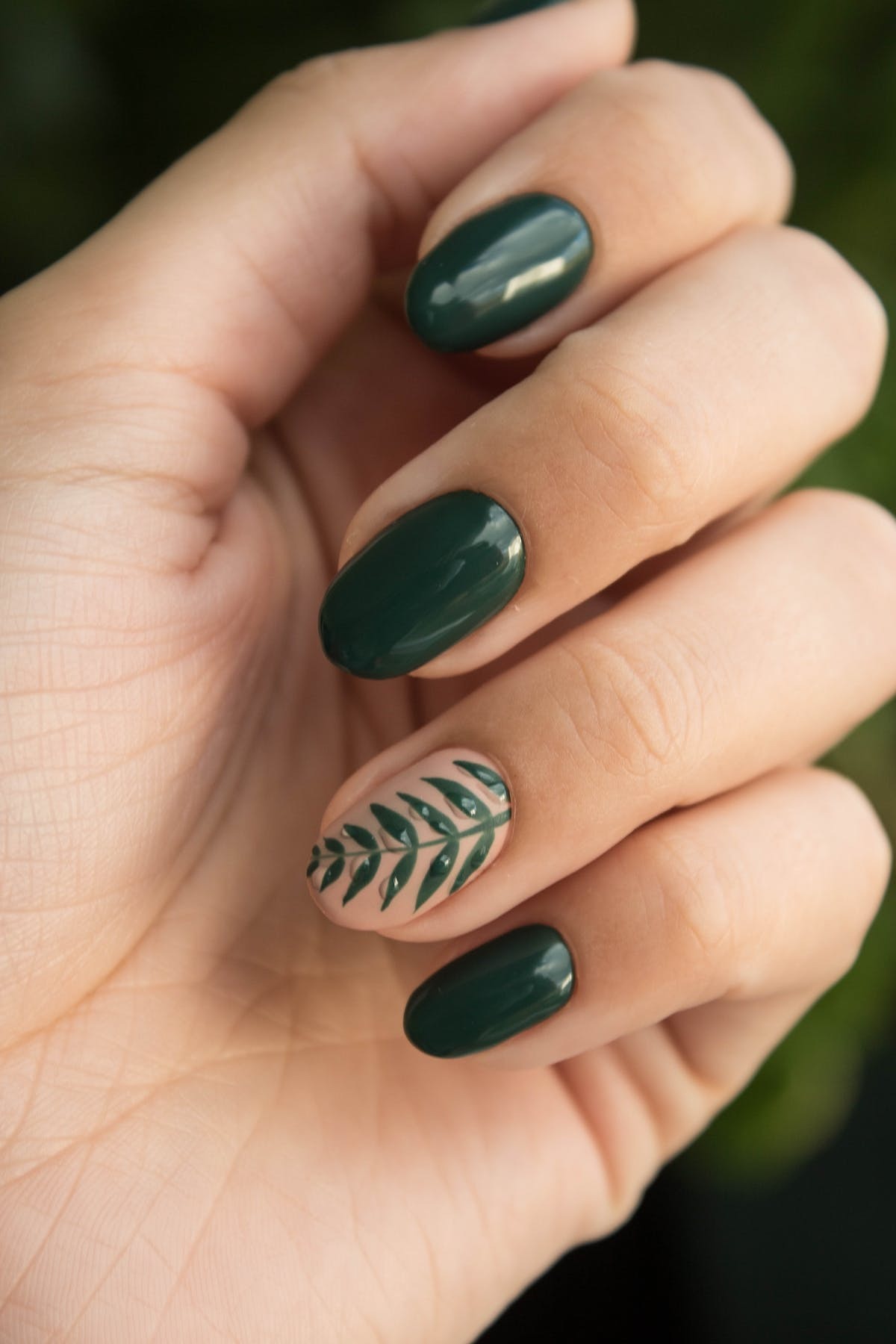
Tools and Techniques: Unveiling the Secrets to Remove Porcelain Nails
The removal of porcelain nails requires a range of specific tools and techniques to ensure a safe and effective process. Here are some of the most commonly used tools in this procedure:
Cuticle nippers: These small fine clippers are essential for gently removing excess porcelain near the cuticle without harming the surrounding skin.
Nail files: A fine-grit file is ideal for gently shaping the edges of porcelain nails, making their subsequent removal easier.
Specialized remover: A specially formulated solvent is often used to soften the adhesive resin that bonds the porcelain nail to the natural nail. This gentle chemical allows the artificial nail to detach easily without damaging the nail bed.
Aluminum foil: Using aluminum foil greatly facilitates the removal of porcelain nails. By wrapping each finger with cotton soaked in remover and then covered with a sheet of aluminum, it creates an environment conducive to softening and quickly detaching the material.
Cuticle pushers: These small pointed tools are essential for gently pushing away remnants of porcelain nails after carefully removing the larger piece, allowing your natural nails to regain their healthy and neat appearance.
It is important to note that it is highly recommended to consult a qualified professional to remove porcelain nails. While these tools and techniques may seem simple, improper use can cause significant damage to natural nails.
The removal of porcelain nails requires a precise set of tools and techniques to ensure a safe and effective procedure. By entrusting this task to an experienced professional, you can be assured that your transition to natural nails will be carried out with care and expertise.
Before Removal: Precautions to Avoid Unpleasant Surprises
Before proceeding with the removal of porcelain nails, consider taking certain precautions to avoid any risk of damage. It is advisable to ensure that your nails are long enough to facilitate the process. If your natural nails are too short, this may make removal more difficult and potentially cause damage.
Be sure to choose a qualified and experienced professional to perform this delicate task. A trained specialist will know how to handle the tools with precision and minimize the risk of injury or infection. An extremely crucial fact is to ensure that your technician uses sterilized equipment to avoid any cross-contamination.
Another important preventive measure is to properly hydrate your cuticles and the skin surrounding your nails before the removal of porcelain nails. A generous application of a nourishing oil will help soften the adhesive resin used during the initial application of the fake nails.
Do not underestimate the importance of regular follow-ups with your professional after removing porcelain nails. Your technician will be able to assess the current condition of your natural nails and provide appropriate advice on their ongoing care.
Be sure to mention some potential side effects that may occur after the removal of fake porcelain nails. Some individuals may experience increased sensitivity or temporary weakness of their natural nails. In these cases, be sure to take good care of your nails.
The removal of porcelain nails requires a number of precautions to minimize potential risks. By following these simple yet important tips, you can ensure the health and well-being of your natural nails while making this transition to more authentic nails. Always remember that your safety comes first when it comes to caring for your hands and nails.
Removing Porcelain Nails: Key Steps for a Flawless Result
The removal of porcelain nails requires a methodical and meticulous approach to preserve the health of your natural nails. Here are the steps to follow to correctly remove these fake nails without causing damage:
Prepare a bowl of warm water with mild soap or use a remover specially designed for fake nails. Soak your hands for about 10 minutes to soften the adhesive resin.
Once the resin has sufficiently softened, use a wooden stick or a soft nail file to gently scrape the edge of the fake nails. Be careful not to apply too much pressure to avoid damaging the natural nail.
If some pieces of adhesive resin persist after this step, you can use a special dissolving solution to remove any remaining residues.
After removing all the fake nails, be sure to thoroughly clean and dry your hands and natural nails to eliminate any dust or potentially irritating residue.
To promote regeneration and strengthen your natural nails, regularly apply a nourishing oil to the entire nail and its contours.
It is recommended to give your skin a few days before applying cosmetic products such as nail polish or harsh chemical treatments again.
During this recovery period, be sure to maintain a balanced diet rich in essential vitamins and minerals to promote the health of your nails.
You should note that the removal of porcelain nails can temporarily weaken natural nails. Be patient and allow them to regenerate naturally before considering a new application. If you encounter persistent issues or if your nails become sensitive, consult a qualified professional for personalized advice.
By carefully following these steps, you will be able to correctly remove your porcelain nails without compromising the health and beauty of your real nails. Take the necessary time to care for them after this transition so they can regain their natural splendor.
After Removal: Essential Care to Pamper Your Recovered Nails
Once you have removed your porcelain nails, you must pay special attention to post-removal care. Your natural nails may be weakened and therefore require appropriate care to regenerate.
Give your nails some time to recover and breathe. Avoid excessive use of chemical products such as nail polish or harsh treatments for at least a week. This will allow your nails to strengthen naturally and regain their initial health.
Regarding hydration, use nourishing oils specially designed for nails to prevent them from becoming dry and brittle. Oils rich in vitamin E and essential fatty acids are particularly beneficial for strengthening the nail structure.
Important to note: do not use metal or sharp tools to remove any remaining residues after the removal of fake porcelain nails. These tools can cause irreparable damage to the delicate surface of your natural nail. Instead, opt for a wooden stick or a soft file to remove any residue without compromising the health of your nail.
To promote the healthy growth of your new nails, also ensure you have a balanced diet rich in essential nutrients such as calcium, zinc, and vitamins B and D. These elements play a crucial role in the overall health of your nails.
Take the time to gently massage your cuticles with a moisturizing cream to soften them and keep them healthy. The cuticles protect the nail matrix, which is responsible for nail growth. Therefore, give them all the attention they deserve.
It is also recommended to schedule an appointment with a nail care professional for a complete assessment after removing your porcelain nails. They can advise you on products suitable for your specific situation and provide personalized tips to promote the healthy growth of your new nails.
After removing your porcelain nails, it is essential to give your natural nails the appropriate care to regain their strength and original beauty. Nourish them with nourishing oils, avoid harsh chemical products for a while, and maintain a balanced diet enriched with essential nutrients.
Alternatives to Removal: Explore Other Options Besides Removing Porcelain Nails
In some cases, you may prefer to opt for alternatives to complete removal of your porcelain nails. These alternatives can allow you to maintain some length or shape of nails that you appreciate, while avoiding the often tedious process of complete removal.
One alternative is the filling technique. This method involves filling the space between your natural nail and the artificial nail with gel or resin to maintain a uniform appearance. Filling can extend the lifespan of your porcelain nails while reducing potential risks associated with complete removal. These fillings should be done regularly (every 2-3 weeks) to ensure optimal results and avoid any further deterioration.
Another popular alternative is gel nails. Gel nails offer a similar appearance to porcelain nails but are generally softer and less thick. They can be applied directly to your natural nail or on extensions if you wish to add more length. The advantages of gel nails include their lightweight and increased flexibility compared to traditional fake nails.
If you are looking for a more natural approach, adhesive nail wraps are also an interesting option. These wraps are made from a transparent adhesive material and can be applied directly to your natural nails. They come in a wide variety of colors, patterns, and textures, providing many options to customize your look.
If you want to quickly regain healthy natural nails without using artificial nails, the soaking method can be considered. This method involves soaking your nails in a special liquid that gradually dissolves the layers of porcelain nail. It should be noted that this technique often requires the assistance of a professional to ensure it is done correctly and to avoid any potential damage to your natural nails.