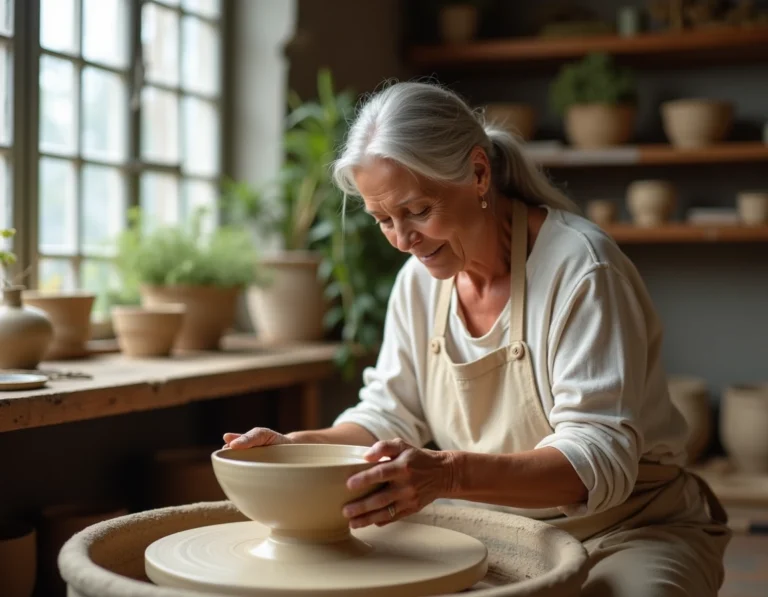
A monthly family photo journal rarely thrives on major events. Most months contain none. The real technical challenge is to produce a relevant journal even when the month has been mundane, without resorting to filler. Here are ten concrete ideas that work precisely during these quiet periods.
1. The “micro-moments” double page with smartphone

The classic reflex is to wait for an event to pull out the camera. We recommend the opposite: capture three to five raw photos per week, without staging. A bowl of morning coffee, a pair of muddy shoes after a walk, a drawing taped to the fridge.
These snapshots feed a “mosaic” double page at the end of the month. The principle is to arrange them in a tight grid, without individual captions, with a single dated title. This format absorbs the quiet months without forcing the narrative.
2. The family dates calendar page
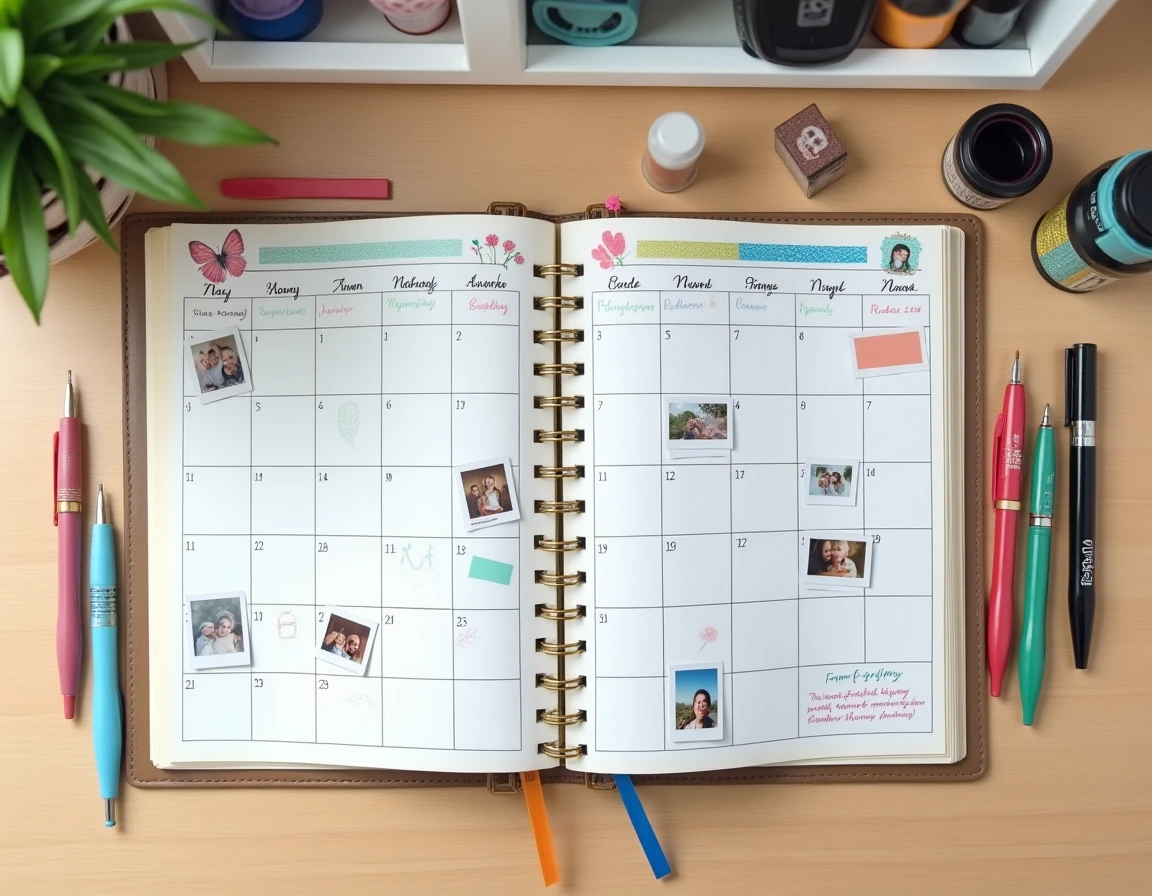
Reserve a fixed page for a visual calendar of the upcoming month. Birthdays, holidays, and planned reunions are noted there. Grandparents and distant parents thus have a concrete reference.
This recurring block has a structural advantage: it occupies a full page regardless of the month’s content. It’s a safety net against blank pages, and a tool for family coordination at the same time. For those who want to go further, creating a family photo journal with Foodies and Family helps structure this type of recurring section.
3. The updated “who’s who” portrait
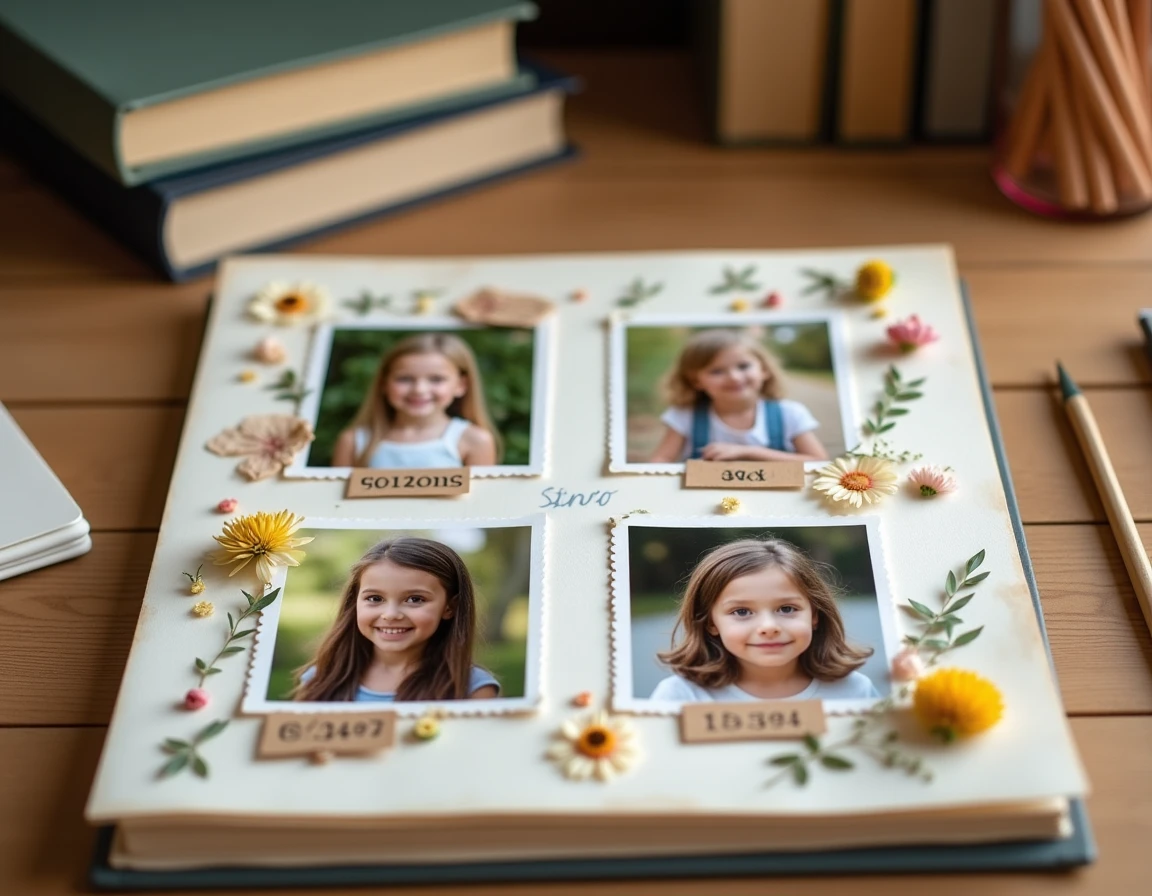
Each month, dedicate half a page to a family member with a recent photo and three or four factual lines: what they are reading, what they are eating at the moment, their favorite phrase. Children change quickly, and these short profiles become the most reread pages after a few years.
This format also works for adults. An uncle changing jobs, a cousin moving: the monthly portrait documents these transitions without needing a spectacular event.
4. The recipe or meal of the month insert
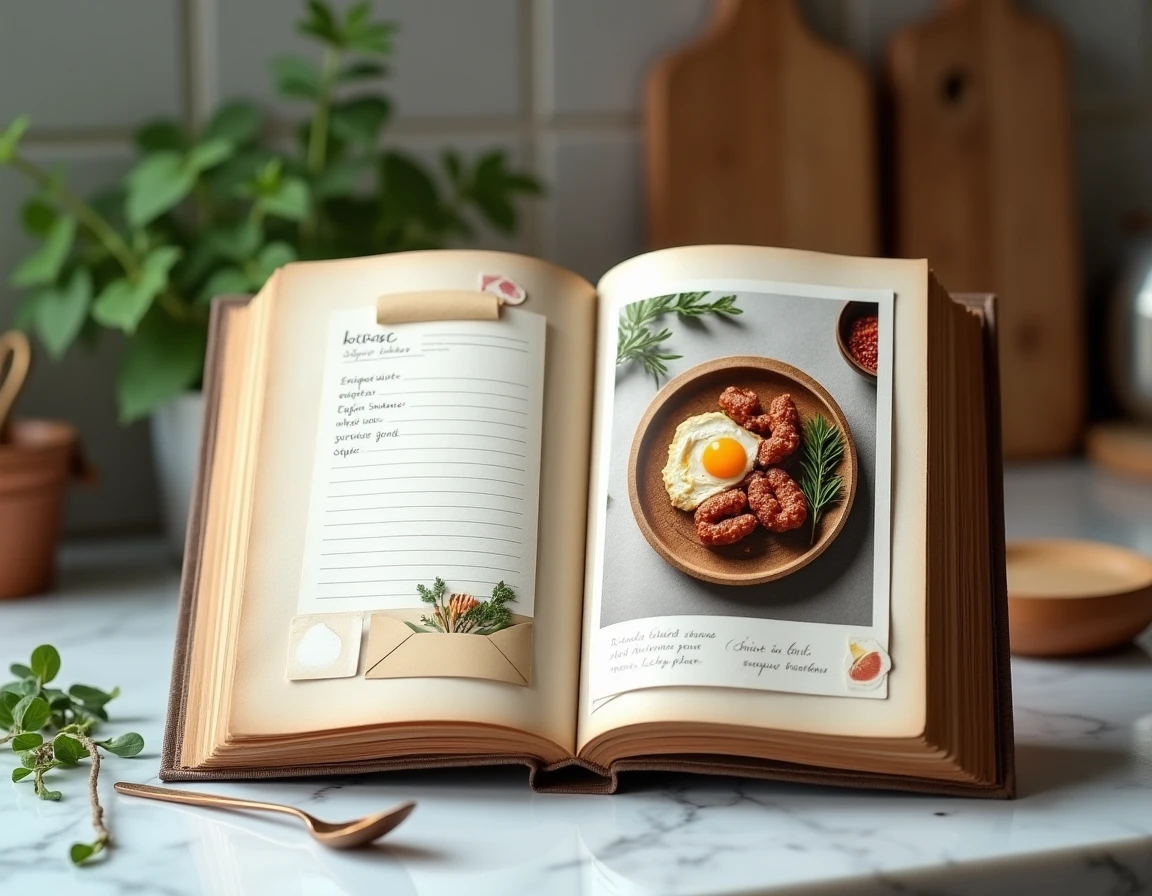
A photographed recipe (the dish, not the preparation) with ingredients noted by hand. This content has a strong visual density and a real emotional weight, especially for older generations who recognize a passed-down dish.
A failed meal works just as well as a successful one. A collapsed cake with an honest comment generates more reactions than a perfect plate. The family journal is not a culinary magazine.
5. The “old photo unearthed” section
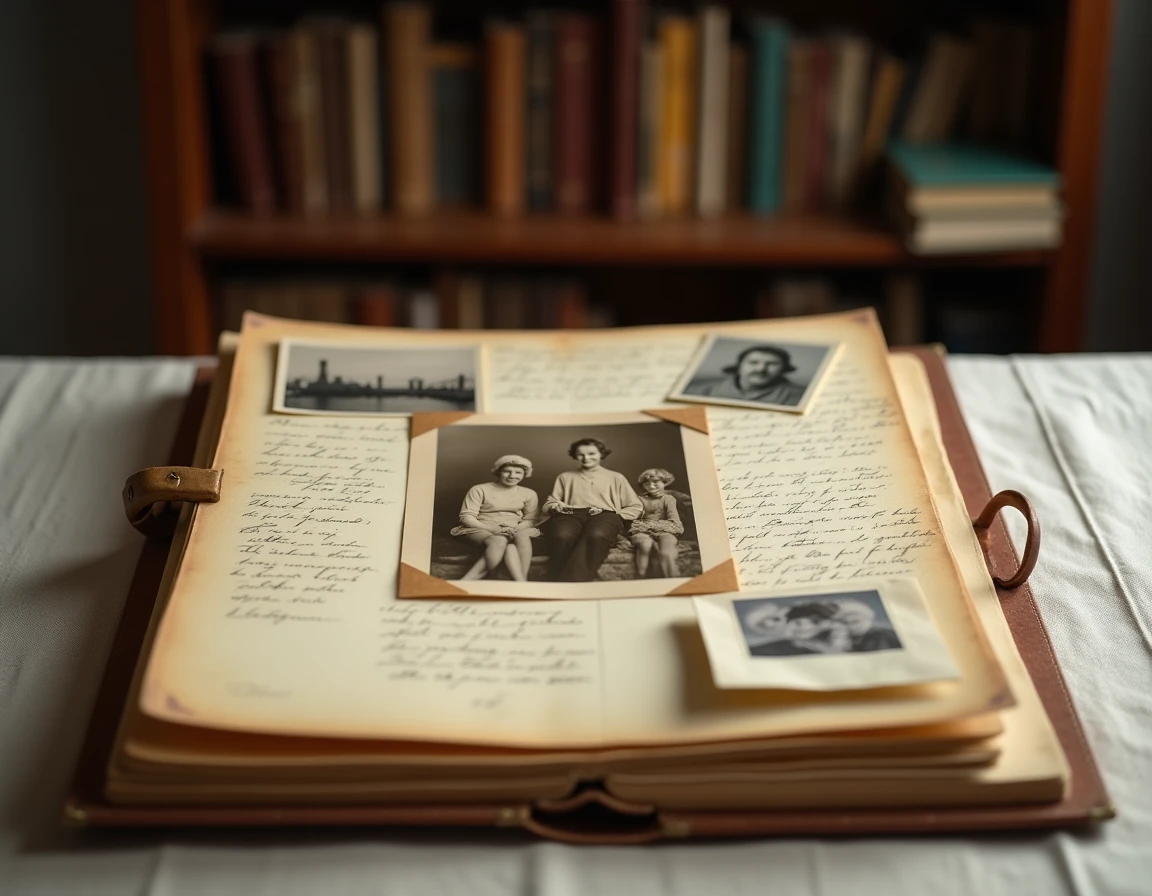
Scan or photograph an old family photo and place it next to a current photo of the same location or person. This before/after process creates content with high emotional value without requiring any recent event.
We observe that this section generates the most feedback from grandparents. It also gives them an active role: they can provide the context for the old photo for the next issue.
6. The home project notebook
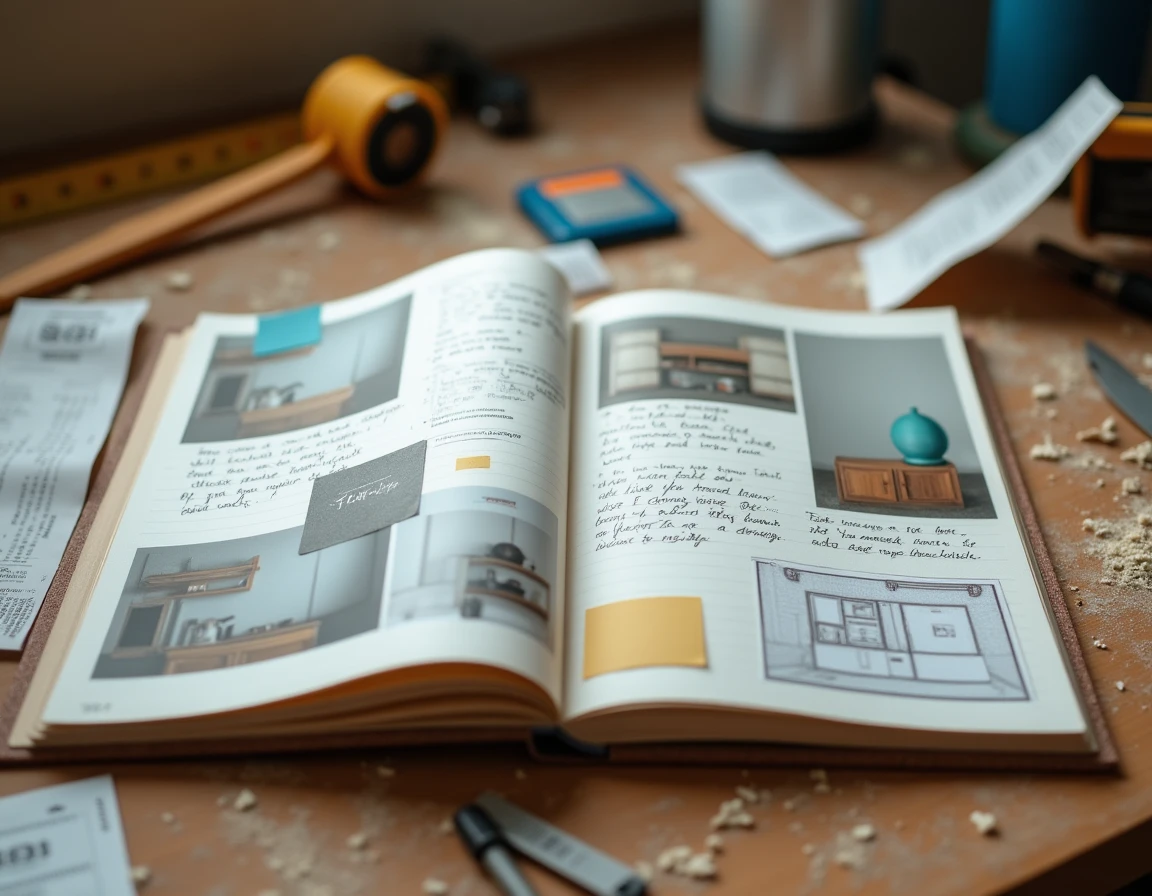
Renovations in the house, garden layout, assembling a piece of furniture: documenting an ongoing project over several issues gives a narrative continuity to the journal. Each month brings one or two progress photos, without any writing effort.
This format solves a common problem: the feeling that nothing has happened. A repainted wall, a shelf installed, a trimmed hedge—these are discreet but effective time markers.
7. The seasonal page without photos of people
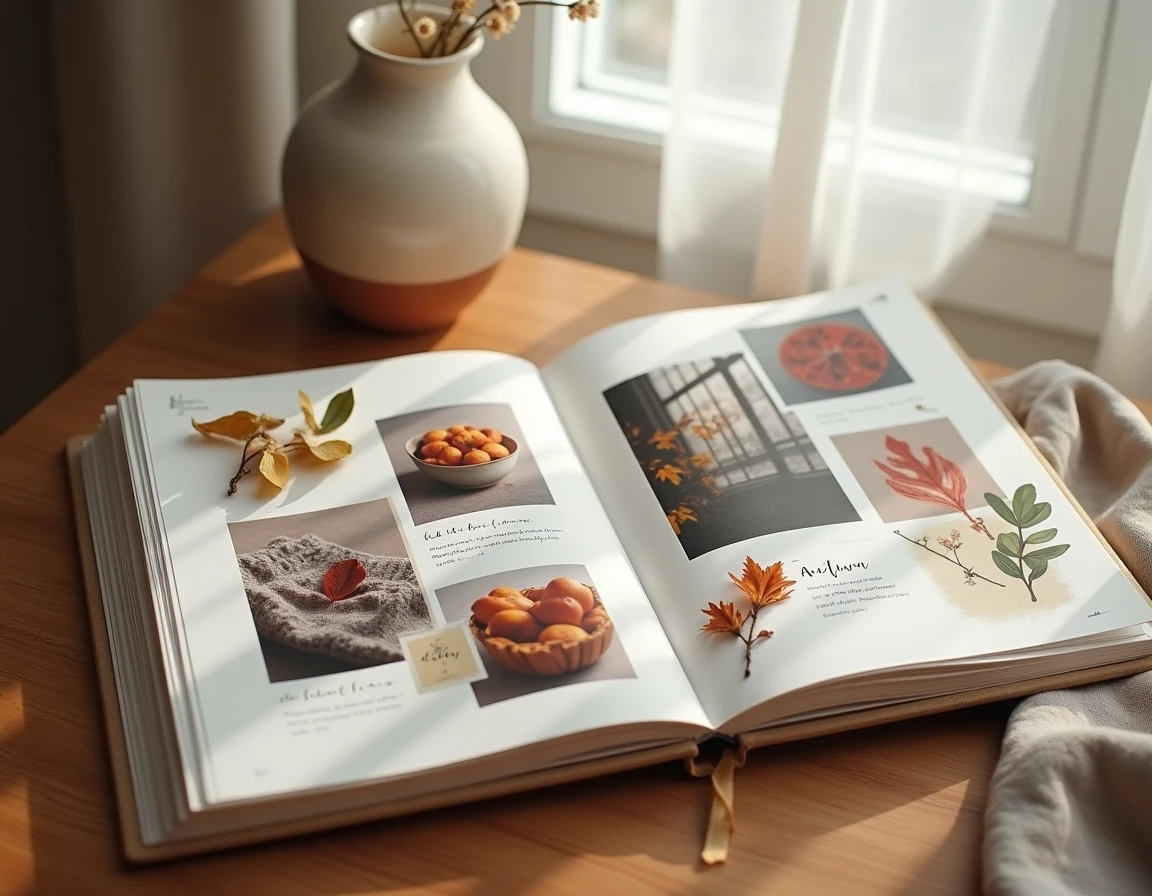
Photograph only the decor of the month: the light in the living room, the leaves in the yard, condensation on a window. A photo journal doesn’t need faces on every page.
These “atmosphere” pages punctuate the journal and offer visual breathing space. They are particularly useful in winter when outdoor activities decrease and the stock of photos of people diminishes.
8. The child’s word or drawing in full page
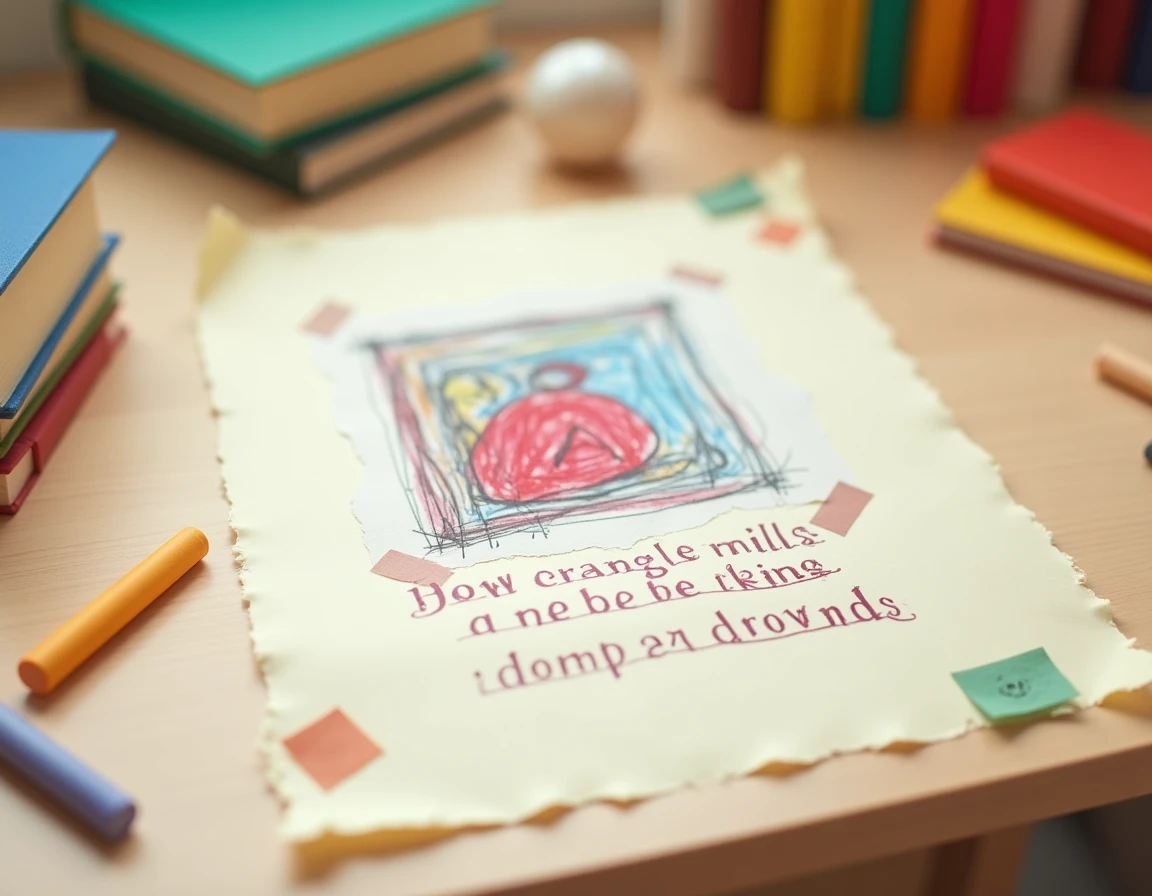
Digitize a drawing, a school word, or a doodle and print it full page. The printout often looks better on paper than on screen, and this content requires no photographic staging.
For families with young children, this section can easily fill one to two pages per month. The first written words, stick figure drawings, birthday cards: all content that gains value over time.
9. The “3 things we loved this month” block
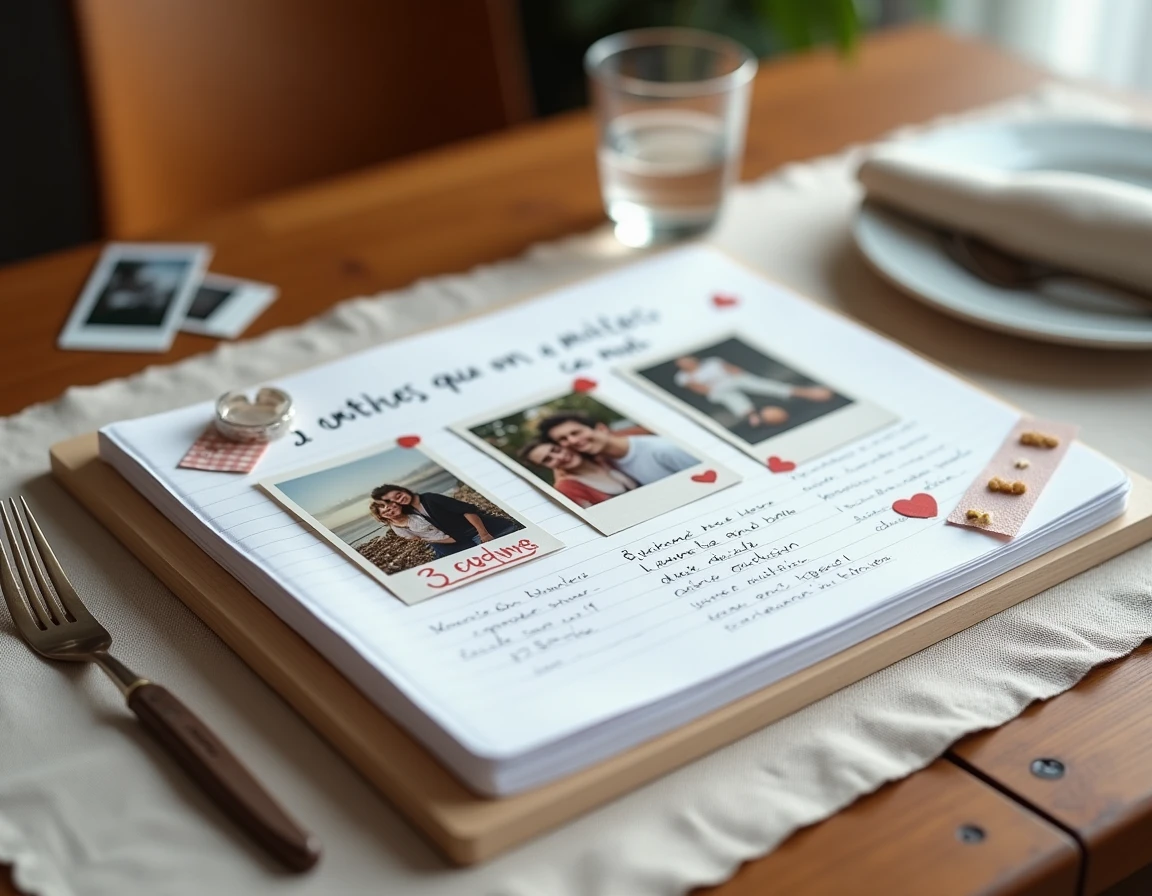
Each family member mentions one thing they loved during the month. No need for a photo. Three lines of text per person are enough.
- A movie watched together on a rainy Sunday, with the title and a one-sentence review
- A walk or a place discovered by chance, even without a supporting photo
- A book, a game, a song that played on repeat in the house
This textual format compensates for months poor in images and gives a voice to those who never take photos.
10. The free editorial from a different member each month

Assign the first or last page to a family member who writes a short free text. No subject constraints: mood of the moment, anecdote, memory, reflection.
This rotating system has two concrete effects. It distributes the burden of creating the journal. And it introduces different voices, which prevents the journal from becoming the monologue of a single person. Teenagers, often reluctant to pose for photos, are more willing to participate through writing.
The most sustainable family photo journal is not the one that documents major occasions. It is the one whose format absorbs ordinary months without anyone feeling like they are filling space. Each of these ten sections can work alone or in rotation, depending on the density of the month experienced.