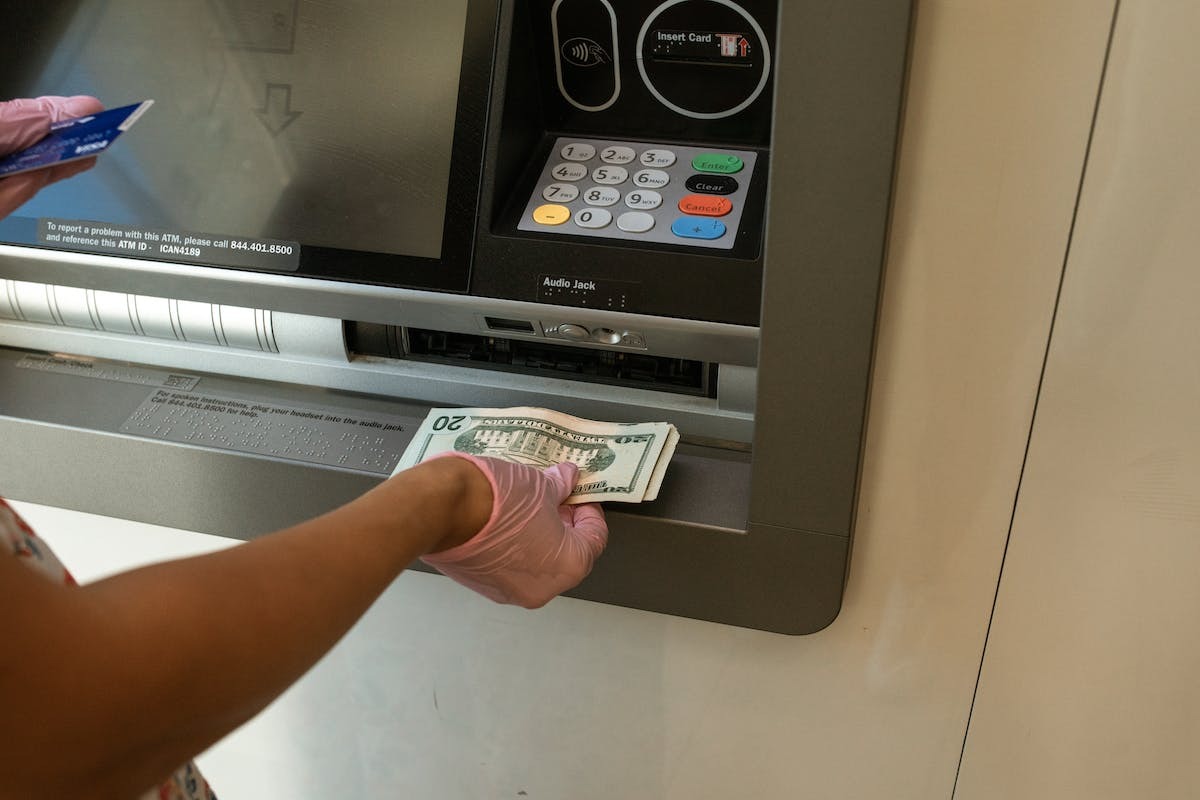
Let’s break down a crucial aspect of our daily financial life: adding a beneficiary for a bank transfer. This action, often performed but rarely explained, is a fundamental step for transferring money from your account to that of another individual. Whether it’s to pay rent, reimburse a friend, or contribute to an online pot, adding a beneficiary in your banking interface is an essential skill. It’s time to unveil this seemingly complex process, which is actually within everyone’s reach.
Bank Transfer: Basics and Steps
When it comes to adding a beneficiary at Crédit Agricole, you need to follow several steps diligently. Log in to your online account or visit a bank branch to access your information. Look for the ‘Transfer’ or ‘Money Transfer’ tab in the main menu of your interface.
Once you find this option, click on it to display the list of already registered beneficiaries. If you haven’t added any yet, select the ‘Add a Beneficiary’ option. At this stage, several pieces of information will be required: the beneficiary’s full name as it appears on their bank statement, their complete address (including postal code and city), as well as the precise banking details such as the IBAN number.
Be sure to carefully check all this information to avoid any errors during the fund transfer. The next step often involves validation via SMS or email to confirm the action taken.
You must consider the recommended security measures when adding a beneficiary at Crédit Agricole. Ensure that your internet connection is secure (use a virtual private network if necessary) and keep all your personal credentials confidential.
This procedure may seem tedious, but it nonetheless ensures the protection and confidentiality of sensitive data related to financial transactions made through bank transfers.
By adding a beneficiary at Crédit Agricole, you can enjoy numerous advantages. It greatly simplifies regular money transfers to the same person. No more need to manually enter all the information every time you want to make a recurring payment.
This feature allows you to easily manage your list of beneficiaries and delete or modify information if necessary. You can also add custom labels to better organize your beneficiaries based on their use (friends, family, service providers, etc.).
If, however, the traditional bank transfer does not meet your needs or preferences, there are now various alternatives such as mobile applications dedicated to peer-to-peer transactions like PayPal or Venmo. These platforms greatly facilitate the exchange of money between individuals thanks to an intuitive and secure interface.
Understanding how to add a beneficiary for a bank transfer is essential in our modern society where financial exchanges are commonplace. With these simple yet crucial steps at Crédit Agricole, you can make your transfers with confidence and enjoy the many benefits offered by this practical and secure feature.
Adding a Beneficiary: Instructions
When you want to add a beneficiary for a bank transfer, make sure you have the necessary information. This information is crucial to ensure the success of the transfer and avoid any risk of error or confusion.
You need to obtain the beneficiary’s full name as it appears on their bank statement. Make sure to enter it correctly so that the funds are directed to the right person. A small mistake in spelling could lead to complications and delay the process.
Be sure to provide the beneficiary’s complete address, including the postal code and city. This additional information allows financial institutions to verify the recipient’s identity and avoid confusion with individuals who have similar names.
The precise banking details are also essential when adding a beneficiary for a bank transfer. You need to know the IBAN number (International Bank Account Number) of the beneficiary’s account. This unique identifier ensures that the funds will be directed to the correct financial institution and bank account.
In some cases, it may also be necessary to provide the BIC code (Bank Identifier Code), which specifically identifies the bank where the beneficiary’s account is held. This information is particularly important for international transactions to ensure that the funds reach the correct financial institution.
Once all this information has been accurately collected, you can proceed to register the beneficiary. This can usually be done online through your bank or by physically visiting a branch. Make sure to carefully follow the steps and verify all the information provided before confirming the addition.
It is important to emphasize that the confidentiality and security of personal information are paramount when adding a beneficiary for a bank transfer. Make sure to use a secure connection, avoid accessing your accounts from public Wi-Fi networks, and keep your credentials confidential.
Essential Information for a Secure Addition
When undertaking to add a beneficiary for a bank transfer, you must consider several security measures aimed at protecting our sensitive financial information. Caution and vigilance are essential in this delicate process.
Ensure that the site or application used to perform this operation is secure. Check for the small green padlock in the address bar as well as the prefix “https”. These indicators are reassuring signals regarding the reliability of the site and its ability to ensure encrypted data transmission.
You should ensure that your computer or mobile device has the latest software updates, particularly those related to web browsers. The patches provided by these updates greatly contribute to enhancing the overall security of the computer system.
It is strongly recommended to avoid accessing bank accounts from unsecured public Wi-Fi networks. Indeed, these networks can be easily infiltrated by malicious individuals actively seeking to intercept personal data exchanged.
To prevent any attempts to hack your banking credentials, never use your date of birth or any other easily guessable element as a password. Instead, opt for a complex code composed of both uppercase and lowercase letters, as well as numbers and special characters to significantly increase its strength.
Implementing two-factor authentication is another highly recommended security measure. This additional procedure involves linking your bank account to a personal mobile device. Each time you log in or validate a transaction, a unique code will be sent to your phone to confirm your identity.
Always keep a close eye on the financial movements made from your bank accounts. Regularly check your statements and immediately report any suspicious or unauthorized activity to your bank.
By following these simple yet effective measures, you will significantly reduce the risks associated with fraudulent bank transfers and make securing our personal information our top priority.
Security: Essential Precautions to Take
Adding a beneficiary for a bank transfer offers numerous advantages, providing a more practical and efficient financial management. Here are some of the main benefits that this process can bring you.
By adding a beneficiary to your bank account, you greatly simplify the money transfer process. No more need to manually enter all the recipient’s information for each transaction. By saving the beneficiary’s banking details in your account, you will only need to select their name during your next transfers.
This feature is particularly useful if you regularly make recurring payments to the same recipient. Whether it’s to pay your monthly bills or make periodic payments to family or charitable organizations, adding a beneficiary significantly facilitates these frequent operations.
By having previously verified and validated the beneficiary’s information during their initial addition, you also minimize the risks associated with human errors that may occur during the manual entry of banking data for each transaction.
The Benefits of Adding a Beneficiary
In today’s digital world, alternatives to the traditional bank transfer are multiplying, offering new possibilities for conducting financial transactions. Here are some of the available options that might interest you.
There are online payment services such as PayPal or Skrill. These platforms not only allow you to easily add a beneficiary and transfer funds in just a few clicks, but also offer additional security through built-in buyer protection. These services are often accepted worldwide, making international payments easier.
Another popular alternative is the use of mobile applications dedicated to money transfers. Apps like Venmo or Cash App allow you to link your bank account or credit card and instantly transfer money to your contacts without the need to formally register a beneficiary. This method is ideal for small amounts between friends or close family.
Beyond the Transfer: Modern Alternatives
In another vein, some online banks also offer innovative solutions for adding beneficiaries and making transfers. With their intuitive interface, they provide competitive rates and greatly facilitate the beneficiary registration process so that you can carry out your transactions with peace of mind.
Whichever method you choose to add a beneficiary for a bank transfer, always make sure to carefully verify all necessary information: the beneficiary’s full name, banking identifier (account number or IBAN), BIC/SWIFT code, and any other specific information requested by your financial institution. Vigilance is essential to avoid any problems or delays in completing your transaction.
There are a multitude of options available for adding a beneficiary when making a bank transfer.