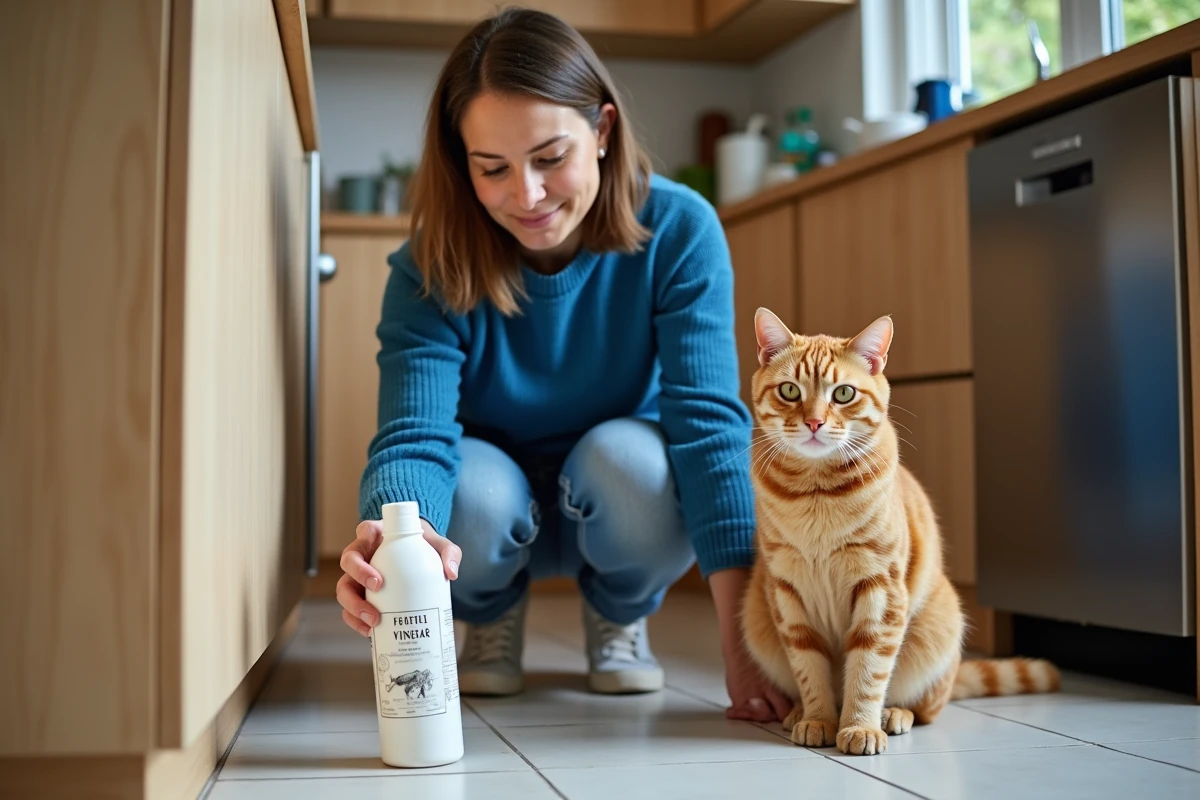
Some cats tolerate white vinegar as an ambient fragrance, while others flee at the slightest acidic whiff. The experience is divisive, results fluctuate, and the universality of the solution leaves one perplexed.
In light of this observation, other natural options are available to pet owners. But again, effectiveness depends as much on the cat’s temperament as on the household context. Advice varies from expert to expert, making the choice of a truly suitable method as subtle as it is laborious.
Why seek natural solutions to keep cats away?
The search for gentle methods to keep cats at bay, whether in the home or garden, continues to gain ground. Many turn to natural options, motivated by respect for animal health and the desire to limit their environmental impact. Chemical products, sometimes used indiscriminately, raise questions about their effects on cats as well as their influence on children or other animals. It is this desire for caution, this concern for collective well-being, that drives the preference for natural cat repellents.
Veterinarians warn against certain industrial compounds that can cause skin reactions or respiratory issues, even serious poisoning. The advice given in guides emphasizes the importance of solutions compatible with everyone’s daily life. The white vinegar as a cat repellent, praised for its accessibility, fits into this logic. Those who focus on prevention see it as a serious alternative to protect a sofa, a garden, or a corner of plants while limiting risks for the household.
In the garden, the goal is clear: to keep cats away from flower beds and vegetable patches without compromising biodiversity or damaging plants. Indoors, the approach is different. It is necessary to prevent marking or scratching on fabrics without resorting to aggressive products. These concerns motivate the use of natural solutions, at the intersection of maintenance, prevention, and respect for family balance. The enthusiasm does not wane, fueled by testimonials, practical advice, and a desire to support animals while preserving the environment.
Is white vinegar really effective as a cat repellent?
White vinegar has become a staple in our household routines, praised for its multiple uses, simplicity, and low cost. However, in the face of sometimes unpredictable cat behaviors, its effectiveness as a repellent is a topic of debate. Many hope to see scratches and markings disappear from treated carpets or flowerbeds, but the reality is more nuanced.
From a scientific perspective, caution is warranted. No study categorically validates the repellent action of white vinegar on cats. Yet, the strong smell of acetic acid can be off-putting to some felines. Feedback collected in advice guides is varied: some experiences are conclusive, while others leave one perplexed. One cat may scrupulously avoid the treated area, while another will settle in without a second thought, or even persist in marking its territory.
Here are the most common uses and precautions:
- White vinegar is primarily used to mask stubborn odors, especially those of cat urine.
- Regular application to specific areas, both indoors and outdoors, can reduce certain bothersome behaviors.
- It is important to dose and apply with moderation: saturating the air with vinegar will only add stress to the animal, without necessarily solving the situation.
To act effectively, vigilance is essential. Cleaning, understanding the cause of marking, and consulting a veterinarian if necessary remain reflexes to adopt. White vinegar is just one tool among others in the arsenal of maintenance and coexistence management solutions. Nothing replaces a comprehensive approach that considers the well-being of the cat as much as that of the family.
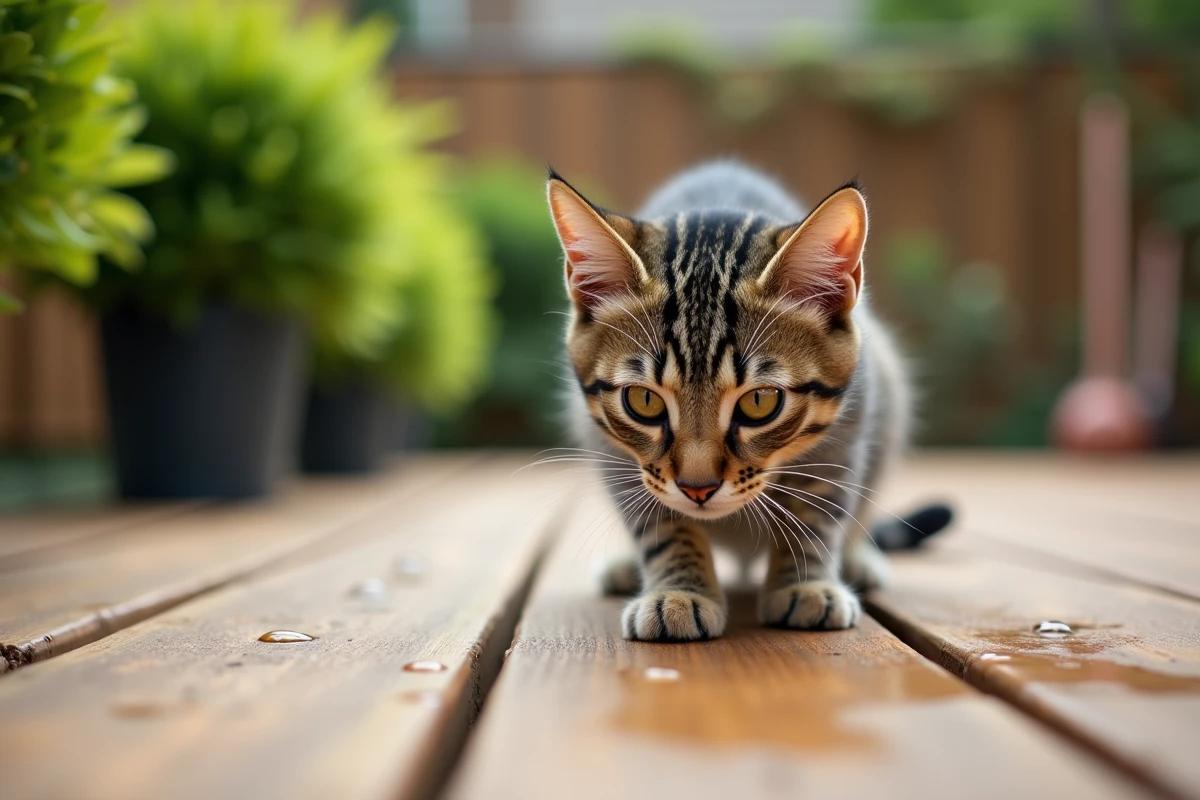
Making your own natural repellent: simple recipes and tips to try
Creating a natural cat repellent at home requires neither expertise nor complicated materials. White vinegar, already praised for its household uses, easily combines with other ingredients to enhance its action while remaining gentle for animals. The simplest method is to dilute the vinegar with water in equal parts, then spray the solution on the areas to be protected: furniture legs, frames, garden edges. The acidic smell disrupts the delicate sense of smell of cats, without posing a danger to their health if the application remains reasonable.
To diversify the recipes, some add a few drops of essential oils like lavender or lemon, known for their deterrent effect. These aromas, well tolerated in diffusion, are not favored by cats. A precaution to remember: never apply directly to the animal, and test each preparation on a small area to avoid any unexpected reactions or fabric degradation.
Here are other natural tips to experiment with:
- Baking soda can complement the preparation: sprinkled at the entrance of the garden or on window sills, it helps neutralize traces left by cats.
- Installing pots of aromatic plants like rosemary, lavender, or citronella creates a gentle olfactory barrier, effective without resorting to aggressive products.
Diatomaceous earth, often mentioned in advice for combating fleas and other pests, also finds its place in prevention at strategic points. These simple and accessible maintenance care contribute to preserving the balance between family comfort, cat tranquility, and garden vitality. Harmony sometimes comes from small tricks and a lot of observation: this is often where the real solution lies.