In the 12th century, English law provided for the hanging of dogs accused of biting a man, while some monasteries reserved burial for pets. Until the 19th century, the recognition of the status of sentient beings for animals did not exist in most European legislations.
Today, nearly one in two households shares its daily life with a pet in France. This evolution is accompanied by a upheaval in representations, the place of animals in society, and the bonds woven over time.
How the relationship between humans and animals has transformed over the centuries
Throughout the ages, the relationship between humans and animals has metamorphosed far beyond simple domestication. As early as the Neolithic, cohabitation became essential, guided by the need for protection, food, and sometimes mysterious rituals. In Auvergne or in the Rhône-Alpes region, traces of this ancient intimacy can be seen in rural life, where beasts and humans share the same roof, the same fatigue, the same hope. Yet, the relationship is constantly evolving.
The Renaissance reshuffles the cards: animals become subjects of study, symbols of prestige, or discreet confidants. In Paris, they can be found in salons, while in the countryside, they continue to embody strength, fertility, and mystery. Then the 19th century shakes everything up: the bourgeois family welcomes dogs and cats into the heart of the home, granting animals a brand new role, neither purely utilitarian nor mere superstition. The once-clear boundaries gradually fade; the place of animals expands, questioning the very identity of the household.
Nowadays, France sees the relationship between humans and animals entering education, health, and justice. Goodbye to the object-animal, legislation finally recognizes their sensitivity. For those who want to understand this silent revolution, lanimaletlhomme.fr offers a rich and vibrant panorama: The Animal and the Man – Explore the fascinating world of our four-legged friends!
Why do dogs hold such a special place in our daily lives?
Dogs are everywhere: in the streets, in our homes, even in our childhood memories. They are not just companions; they are full-fledged actors in our lives. As the first domesticated animal, they have shared the path of humans for millennia. Their ability to read our emotions, anticipate our gestures, and understand intonation has built a rare closeness with humans.
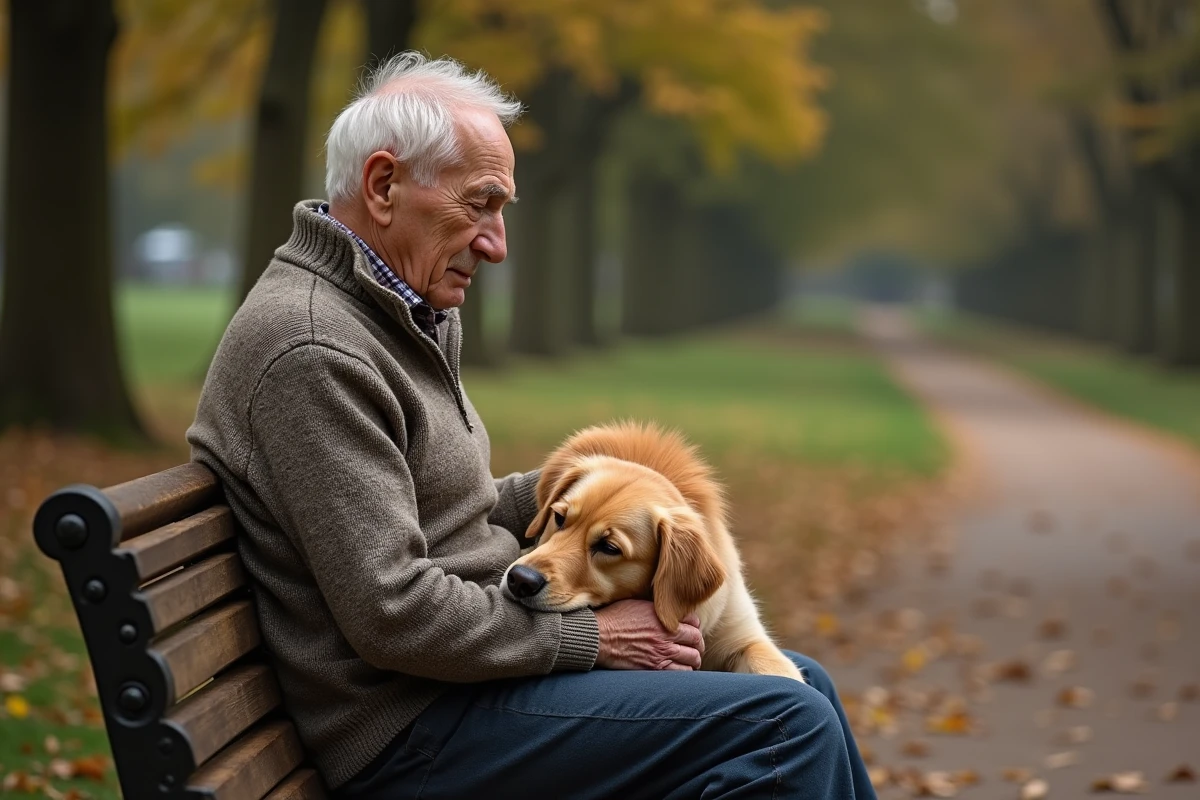
At home, dogs watch over us, play, soothe, encourage us to go out, to talk to strangers, to break isolation. Complicity is woven through glances, gestures, and sometimes imperceptible signals. Scientific studies confirm it: this silent communication reduces stress, strengthens trust, and shapes the feeling of belonging. Routine takes on a new hue with a dog in the picture.
With nearly 7.5 million dogs, France testifies to the strength of this bond. In Paris, in the villages of Auvergne, or on the paths of Rhône-Alpes, each human-dog duo writes a unique story. This relationship is not fixed: it brings together, supports, and makes collective life richer. The dog, in its own way, continues to connect humans and animals, thread by thread, generation after generation.
Affective bonds with pets: understanding what truly unites us
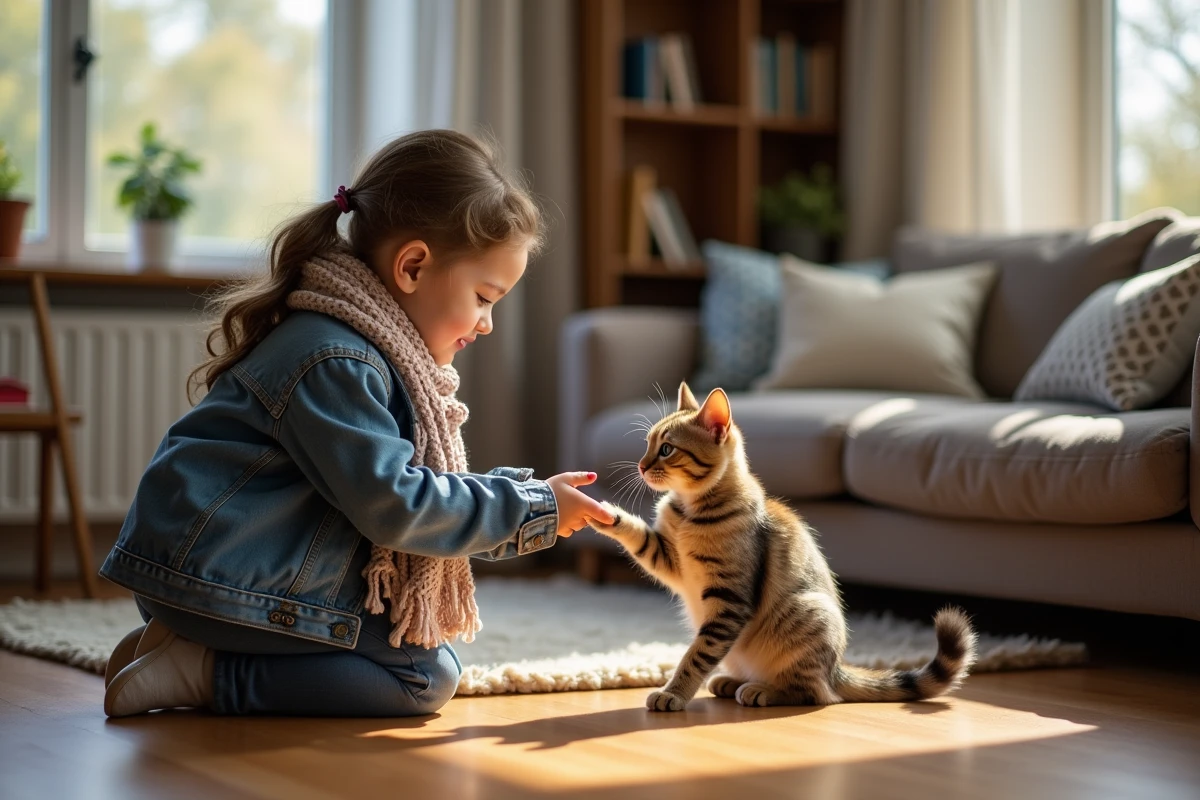
What happens between a human and their pet goes beyond a few strokes or the routine of meals. The relationship is built in the small moments of daily life: a cat settling on the couch, a bird greeting the morning, a dog waiting on the doorstep. These repeated gestures create a presence that reassures and structures domestic life.
Recent research confirms it: living with a pet changes brain chemistry. Oxytocin, the “bonding hormone,” circulates more, promoting attachment and trust. In France, it is not uncommon for pets to occupy the place of a family member, participating in rituals, celebrations, and sorrows. This relationship goes far beyond tenderness: it is nourished by shared attention, silent listening, and a communication that transcends ages.
Here are some concrete effects, now well identified, of this daily bond:
- Soothing of stress and reduction of feelings of loneliness
- Facilitation of exchanges, especially for children or the elderly
- Support for feelings of safety and balance
Having a pet at home also means a different organization: changes in schedules, new habits, constant adaptation. This companionship reveals the human capacity to open up to others, to recognize a different intelligence, to accept reciprocity. Whether in large cities or more isolated villages, the relationship with pets gently but profoundly shapes our ways of being together. The bond is woven, discreet yet strong, ready to withstand the seasons, unperturbed by the passage of time.