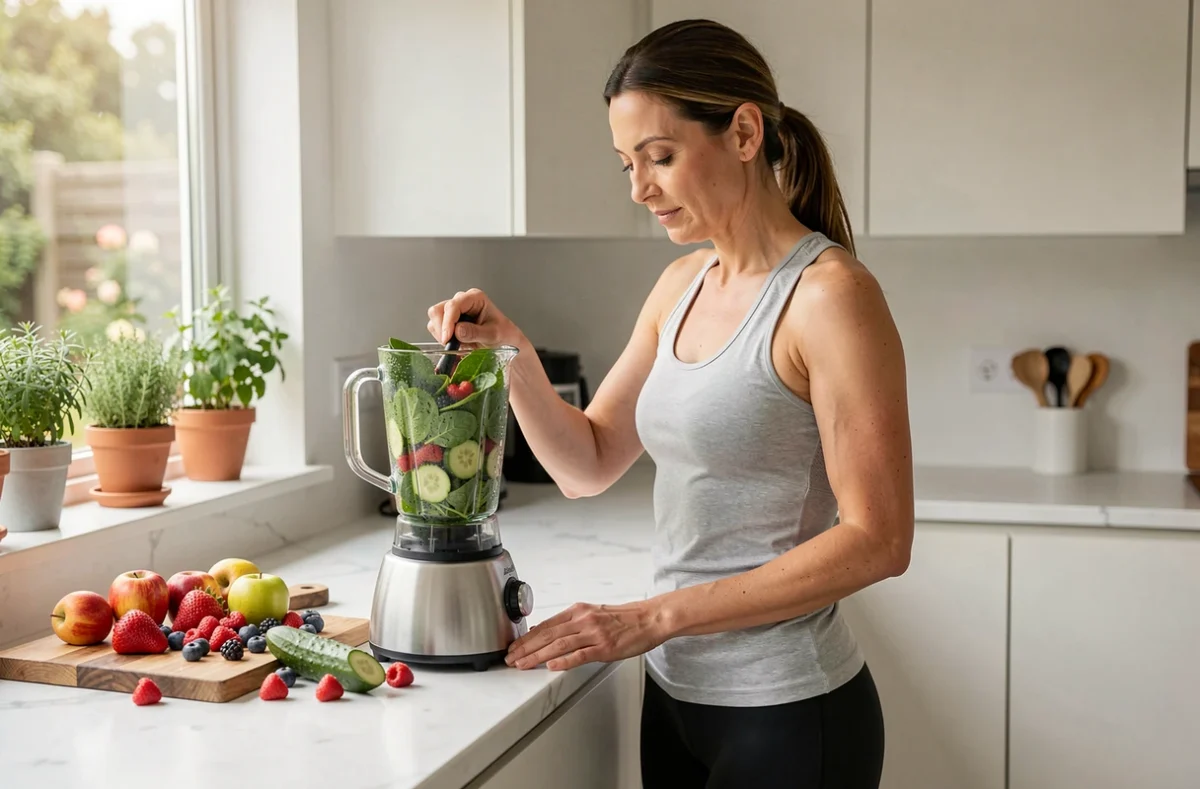
One morning, you find yourself with a locked back after a bad night, or out of breath after climbing two flights of stairs. This kind of signal reminds us that taking care of our health daily is not about grand resolutions, but about the micro-adjustments we repeat without thinking. A few concrete habits, centered around movement, nutrition, and recovery, are enough to reverse the trend over several months.
Sitting at the office: break long sitting periods
Most health advice talks about exercising. We often forget a distinct lever: interrupting prolonged sitting periods throughout the day. Sitting for four or five hours straight produces effects that thirty minutes of running in the evening cannot fully compensate for.
Specifically, you can get up every forty-five minutes to fill a glass of water, take a call while standing, or simply walk to the window. These short breaks stimulate blood circulation in the legs and reduce lower back stiffness.
Some work situations make this difficult (long meetings, driving positions). In this case, contracting your calves under the table or shifting your weight from one buttock to the other remains a minimum. You can find more tips in the articles on Ma Santé 360, which detail adjustments suitable for each professional context.
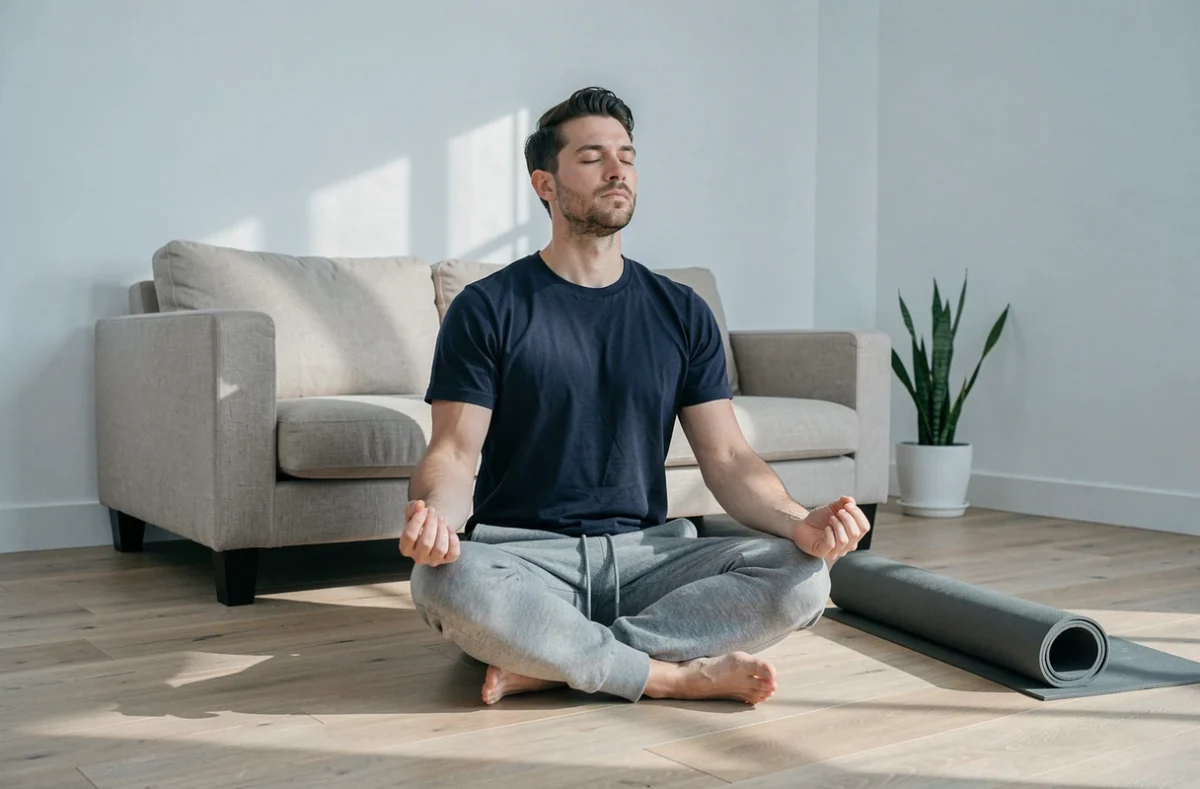
Daily physical activity: prioritize regularity over volume
Twenty minutes of brisk walking each day better protects the body than an intensive session on Sunday followed by six days of inactivity. Regularity matters more than intensity for the prevention of chronic diseases.
The classic trap is aiming for an ambitious program that you abandon after two weeks. It’s better to anchor a short time slot into an already existing routine: get off a bus stop earlier, always take the stairs, walk during lunch breaks.
Adapting movement to a chronic illness
For people with diabetes, heart failure, or joint disorders, adapted physical activity can be part of a care pathway. A doctor then prescribes a program supervised by a trained professional, which avoids following generic advice that may not suit their condition.
This changes the game: we are no longer talking about personal motivation, but about structured medical support that transforms movement into a therapeutic tool.
Daily nutrition: the choices that really matter
Eating healthily is not just about cutting out sugar or counting calories. The practical challenge lies in shopping and meal preparation, not in nutritional theory.
A few concrete levers make a measurable difference over time:
- Filling half the plate with vegetables before serving the rest, which mechanically reduces the portion of refined carbohydrates without willpower effort.
- Preparing two or three meals in advance on Sunday to avoid processed foods during the week when time is short.
- Keeping fruits, nuts, or cut vegetables within reach for snacking, rather than relying on self-discipline in front of a packet of cookies.
We often believe that eating well is expensive. Legumes (lentils, chickpeas, dried beans) are among the most nutritious and least expensive foods per kilo. They can replace meat several times a week without significant protein loss.
Sleep and recovery: the underestimated variable
Insufficient sleep sabotages the two previous pillars. When we sleep poorly, we move less the next day and turn to sweeter or fattier foods to compensate for fatigue. Sleep conditions the quality of all other habits.
The most common issue is screens. The blue light from a phone checked in bed delays falling asleep. Putting the phone in another room an hour before bedtime produces a visible effect within the first week.
Sleep ritual without gadgets
No need for a meditation app or dietary supplement. A simple ritual works: the same bedtime, a cool room, a few minutes of reading paper. The consistency of the signal sent to the body accelerates falling asleep much more than any product.
You can identify your ideal sleep duration by noting your bedtime, natural wake-up time, and energy level felt mid-morning for two weeks.
Health prevention assessment: turning general advice into a personal plan
All the previous advice remains generic until we confront it with our own situation. In France, the “Mon bilan prévention” program offers individual exchanges with a health professional (doctor, pharmacist, or nurse) about lifestyle habits and risks at certain key ages.
This free assessment allows you to identify the priorities that matter to you, rather than applying a standardized list. A sedentary forty-year-old does not have the same levers as a twenty-five-year-old smoker or a pregnant woman.
It also addresses vaccinations, whose recommendations evolve according to age and personal situation. Santé publique France emphasizes the importance of checking the vaccination status of elderly people and pregnant women, with targeted recommendations for these groups.
- Request a prevention assessment during your next medical consultation, specifying your age and medical history.
- List your current habits (sleep hours, frequency of physical activity, alcohol and tobacco consumption) before the appointment to increase efficiency.
- Leave with one or two concrete goals at most, not a list of ten resolutions destined to be forgotten.
Taking care of your health daily ultimately comes down to a few repeated actions: breaking sedentary behavior, moving a little every day, eating whole foods, protecting your sleep. The prevention assessment adds the personalized layer that transforms these habits from generic advice to targeted action. Starting with one change, stabilizing it, and then adding another remains the most reliable method for long-term adherence.