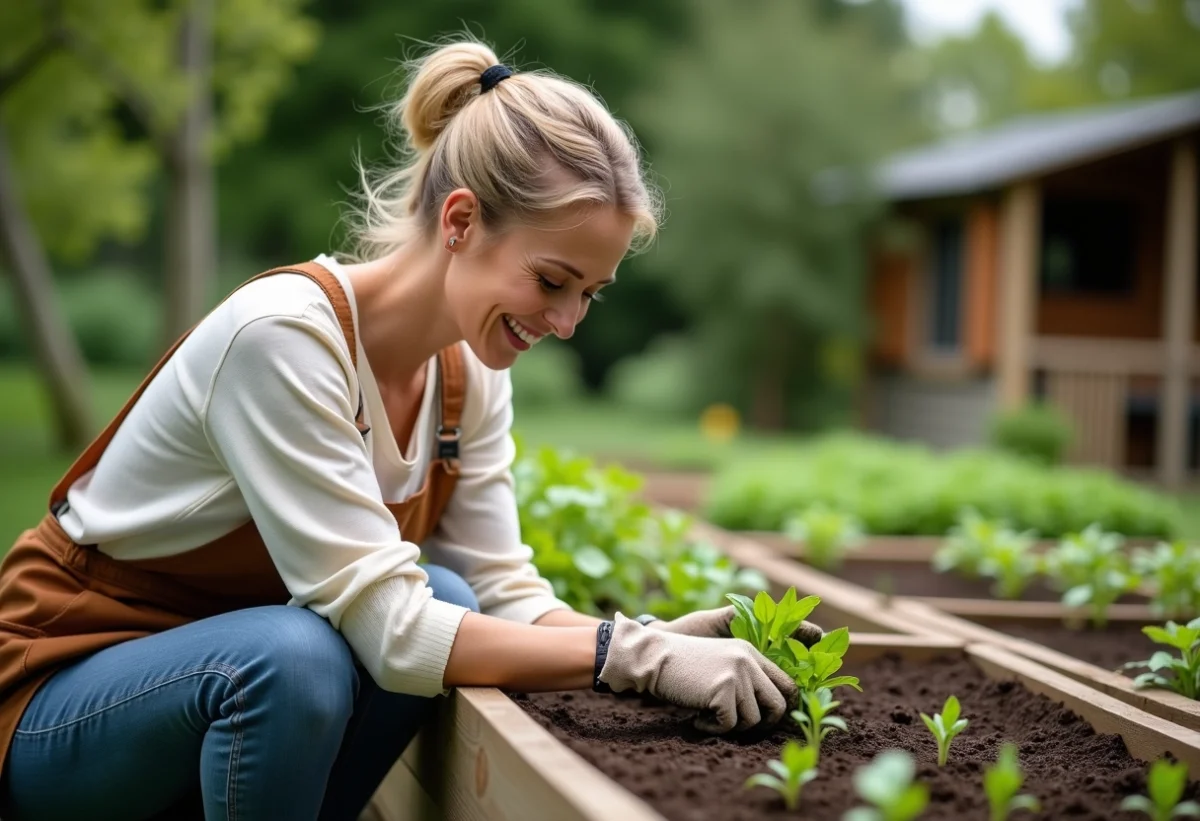
A nitrogen-boosted soil promises lush leaves but sacrifices flowering. Watering in the morning, away from certain well-established evening routines, slows the progression of fungal diseases on your plants. Some varieties require drastic pruning on the eve of winter; others, more sensitive, decline if cut out of season.
What really makes the difference is the harmony between your maintenance actions and the natural rhythm of the plants. False certainties and randomly applied advice are often the source of failures in the garden.
Understanding the garden’s rhythm: what each season changes for your plants
The garden evolves without uniformity. Each season imposes its constraints and shapes the vitality of your plants. With the return of spring, sap flows, buds open, and the soil decompresses. It’s the perfect time to sow or plant: days lengthen, and moisture awakens the roots. But beware of excess water that weakens young shoots, especially since nights remain cool.
Summer arrives, flowering is in full swing, but drought looms. Be sure to water early in the morning for maximum efficiency. Use mulch to retain moisture and control weeds. Annual plants require regular monitoring, while perennials fare better if well-rooted.
When autumn arrives, light decreases, leaves fall, and growth slows. It’s time for care: prune shrubs, enrich the soil, protect vulnerable subjects. Winter closes the ball. It’s not about neglecting the garden: cover the soil, avoid excess moisture, and prepare for the awakening of spring.
To learn more about Jardinier.net, explore analyses, advice, and seasonal tips on Jardinier.net – The garden guide.
What actions should be prioritized to maintain and beautify your garden all year round?
To maintain a dynamic garden, every detail counts: the choice of tools, knowledge of the soil, and the regularity of actions. Intervening at close intervals prevents the accumulation of tasks and reduces the risk of diseases. Well-maintained tools, suited to the season and terrain, facilitate work and spare the most vulnerable roots.
Here are some practices to adopt according to the different areas of the garden:
- For the lawn: a high mowing preserves the soil from summer heat. Scarify in autumn, fertilize in spring to restart growth.
- For perennials and flower beds: prune after flowering, remove faded flowers to encourage regrowth. A surface application of compost nourishes the soil and promotes underground life.
- For the vegetable garden: vary the crops, sow green manures in the off-season, and aerate the soil regularly without turning it over completely.
The key to a vibrant garden twelve months a year is to anticipate. Favor plants that align with the local climate, stagger flowering periods, and combine bulbs, annuals, and shrubs. When it comes to watering, moderation is key: a well-mulched soil retains moisture better and reduces the frequency of interventions.
Trust your eye. Signs of fatigue, the first pest attacks, or imbalances are quickly spotted by those who observe. Regular maintenance builds a strong garden, ready to face all seasons without losing its vitality.
Small gardener tips for a healthy and thriving green space
Some discreet yet effective actions can make a difference. Aerating the soil in spring, without disturbing its structure, revives microbial life and prepares for seed germination. A renewed mulch retains moisture, protects against extreme temperatures, and limits weed proliferation. Favor natural materials: dead leaves, grass clippings dried in the sun, and chipped branches.
Here are some tips to apply in both the vegetable garden and flower beds:
- Alternate crops: moving tomatoes, spinach, lamb’s lettuce, or radishes from one year to the next spares the soil and slows the establishment of diseases.
- Water precisely: always in the morning, at the base of the plants, to avoid stagnant moisture and limit fungi.
- Inspect the foliage: spots, discolorations, or perforations alert you to a deficiency or the beginning of a pest attack.
A homemade compost enriches the soil naturally, stimulating the growth of flowers and vegetables. For colorful flower beds, combine robust perennials with bulbs that bloom at different times: the effect lasts all year. Protect young plants with a cover or cloche during cold nights.
Experience shows: plant diversity attracts valuable allies. Ladybugs regulate aphids, hedgehogs take care of slugs. Install varied hedges and intentionally leave a few corners a bit wild to maintain this fragile balance.
A successful garden is one that knows how to evolve over the weeks, surprise around a flower bed, and offer a living refuge to a small fauna. The gardener’s hand shapes the beauty, but it is nature that dictates the season.