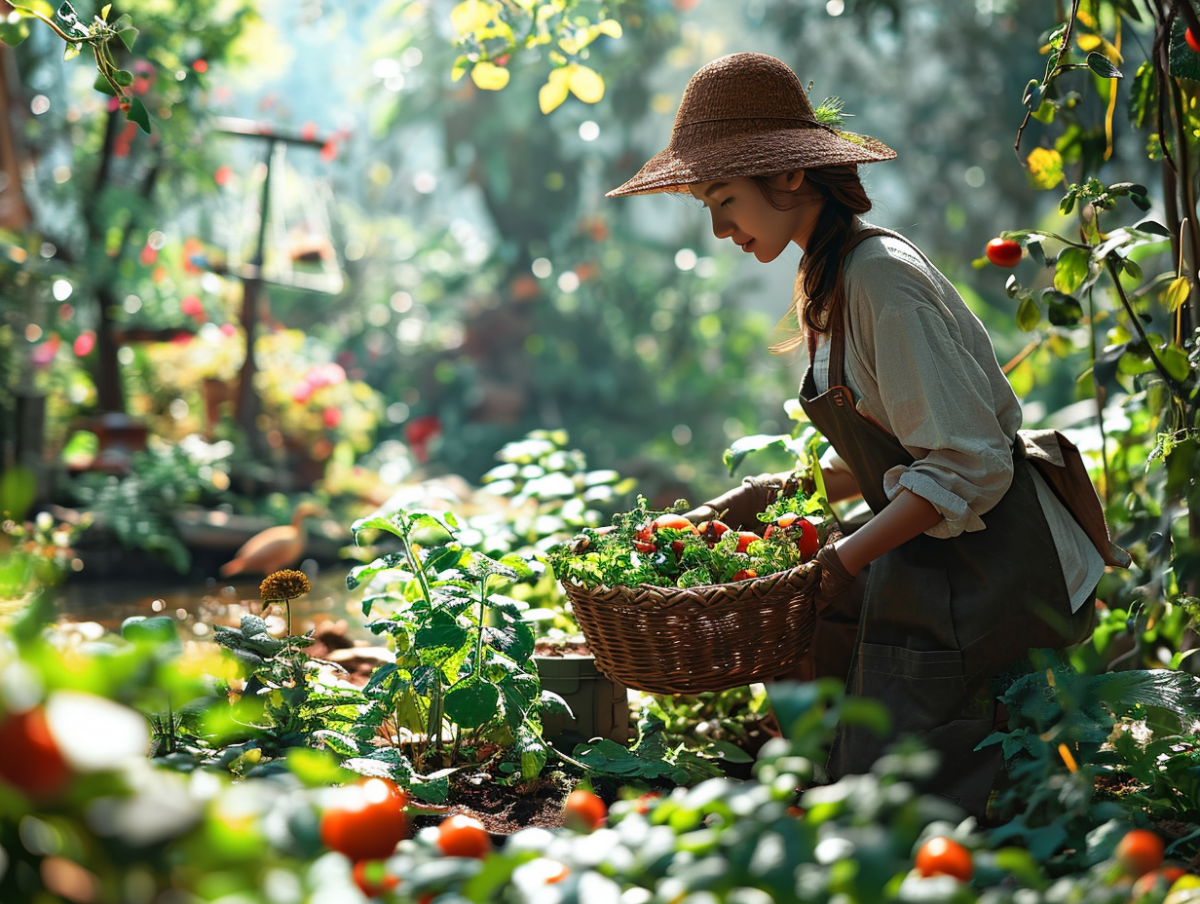
In the peaceful haven that a garden often represents, the presence of pests can quickly become a source of trouble for green enthusiasts. Whether it’s insatiable aphids, voracious slugs, or inquisitive rodents, the delicate balance of this ecosystem is regularly tested. In the face of these unwanted guests, many seek environmentally friendly solutions, avoiding the use of chemical products that can harm biodiversity and human health. Exploring natural methods to protect one’s garden is becoming an increasing concern for gardeners aware of the ecological impact of their passion.
Identifying and Understanding Garden Pests
Knowledge of pest species: The first step is to identify those that cause damage to plants and crops. Among the culprits, slugs and processionary caterpillars are high on the list, inflicting severe damage to fresh foliage and young shoots. Aphids, on the other hand, attack the sap, weakening the plants. However, these pests can be regulated by beneficial insects, true allies of the gardener in this ongoing battle.
Study of ecological interactions: Understanding the relationships between these pests and their environment is essential. During the ‘Escapades aux Jardins’, observing the life cycles of pests and their natural predators proves to be informative. This detailed understanding allows for anticipating periods of proliferation and acting accordingly, for example, by introducing natural predators at the right time.
Targeted approach: Attacking pests without damaging the rest of the ecosystem requires precision and thought. Actions must be specifically directed against the identified pest species, without harming pollinating insects and beneficial mammals, such as hedgehogs, which contribute to the balance of biodiversity in our gardens.
Preventive and curative action: The fight against pests revolves around two axes. Prevention, through the choice of resistant plants or creating an attractive habitat for beneficial organisms, and cure, when intervention is necessary to eradicate an infestation. Natural techniques, combining knowledge and respect for nature, present themselves as sustainable solutions to protect your garden from pests.
Natural and Ecological Methods to Protect Your Garden
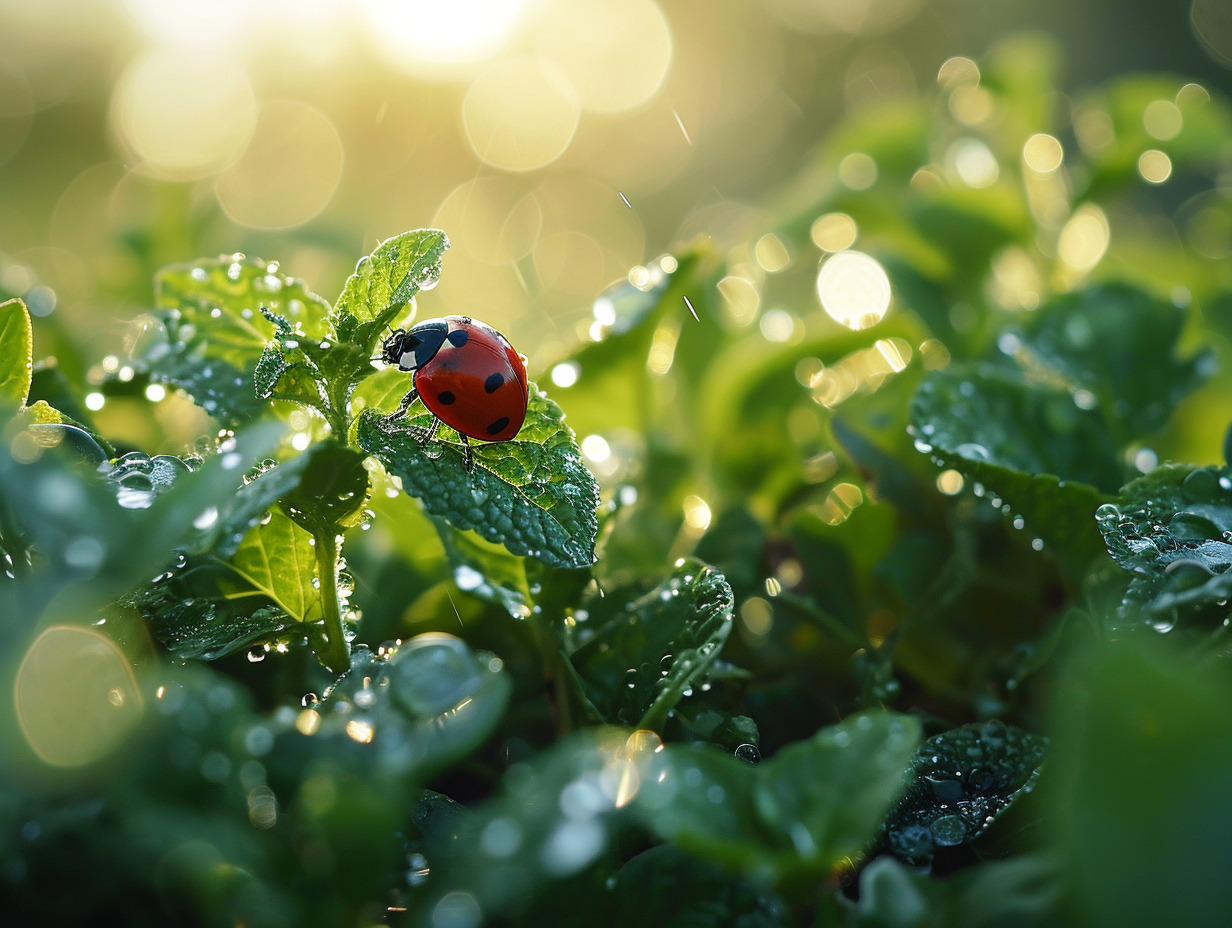
Recruitment of beneficial insects: Introducing ladybugs and green lacewings into your garden is not insignificant. These beneficial insects are natural predators of aphids and other pests. Invite them by planting flowers that attract them or by installing specific shelters. Consider the hedgehog, a true ally, which effectively regulates pest populations. Encourage its presence by creating shelters and leaving part of your garden wild.
Use of natural repellents: Strong odors, such as those emanating from garlic, are valuable allies in keeping unwanted intruders at bay. A garlic-based repellent can be prepared and applied around vulnerable areas of the vegetable garden to deter slugs from venturing there. Fruit and vegetable peels, placed around the plants, can also serve as an olfactory barrier, confusing pests without harming the ecosystem.
Biological control and eco-friendly tips: Steer clear of pesticides, which disrupt ecosystems and biodiversity. Biological control offers an environmentally friendly alternative. It involves using living organisms to manage pest populations. Bees, essential pollinators, will thrive in a garden where protective methods respect the integrity of green spaces. Gardeners can contribute to the preservation of biodiversity while defending their crops from pest invasions.