
Retirement today represents a period that can last more than twenty years. Rather than viewing it as free time to fill, an increasing number of seniors are structuring it around paths that combine certified training, community engagement, and mobility projects. This approach, sometimes referred to as “project retirement,” relies on educational and social programs specifically targeting those aged 55-75, well beyond traditional leisure activities.
Paths for associative retraining and skills assessment after 55
Professional training organizations, including France Compétences and OPCOs, are gradually establishing paths for retraining towards associative or social utility professions targeted at those aged 55-65. These paths include a skills assessment, support for returning to studies, and sometimes individual tutoring.
This type of program remains little visible in usual search results, which mention volunteering as a leisure activity without a structured framework. The difference is significant: a structured path leads to a certification or formal recognition, whereas traditional volunteering relies on goodwill without measurable progress.
Several profiles are concerned. A former executive can train in social mediation. A craftsman can pass on his technical know-how in an integration workshop. The available data do not yet allow for measuring the exact extent of these retrainings, but field feedback shows a growing demand from retirees seeking structured engagement rather than occasional involvement. Online resources help identify these opportunities, such as https://www.seniors-univers.fr/, which lists options suitable for seniors.
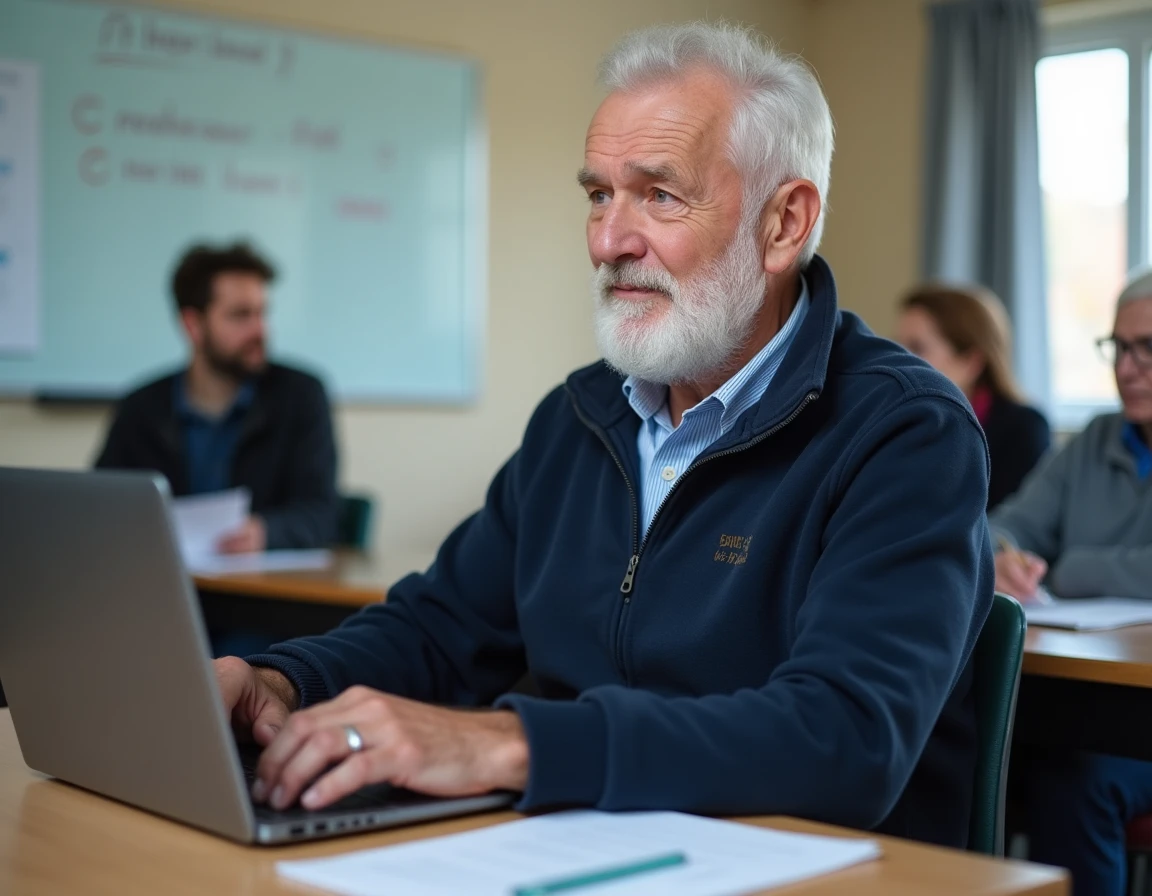
Certified training for retirees: beyond simple leisure
The confusion between leisure training and certified training persists in most guides aimed at retirees. Learning watercolor painting in a municipal workshop is not comparable to obtaining a certification in cultural mediation or digital support.
Certified training accessible to seniors covers concrete areas:
- Digital support for audiences distanced from digital technology, with short modules provided by accredited organizations
- Social and cultural mediation, which values previous professional experience through a validation of acquired skills
- Transmission of artisanal know-how within integration programs, with official recognition of the role of occasional trainer
Access to the Personal Training Account remains theoretically open to retirees under certain conditions, although field feedback varies on this point depending on the funds and organizations. The process requires prior clarification with one’s OPCO or France Compétences.
Validation of acquired experience in retirement
The VAE (Validation of Acquired Experience) is an underutilized lever for retirees. It allows for transforming decades of professional practice into a recognized diploma, without having to complete a full course. The VAE gives formal legitimacy to those who wish to teach or support in an associative or educational setting.
European mobility for seniors: “senior Erasmus” type programs
Several European countries have launched public intergenerational mobility programs aimed at retirees. These programs, noted in reports from the European Commission on adult education, take various forms: language learning stays, European volunteering, knowledge exchanges between retirees and students.
These programs are distinctly different from organized tourism for seniors. They involve a commitment over several weeks, with defined educational objectives and sometimes a contribution to a local project (teaching French in a partner school, participating in a heritage restoration project).
However, access to these programs remains uneven depending on the countries and local intermediary structures. A French retiree wishing to participate in such a program often has to go through an intermediary association or a university network, due to the lack of a dedicated single point of contact.
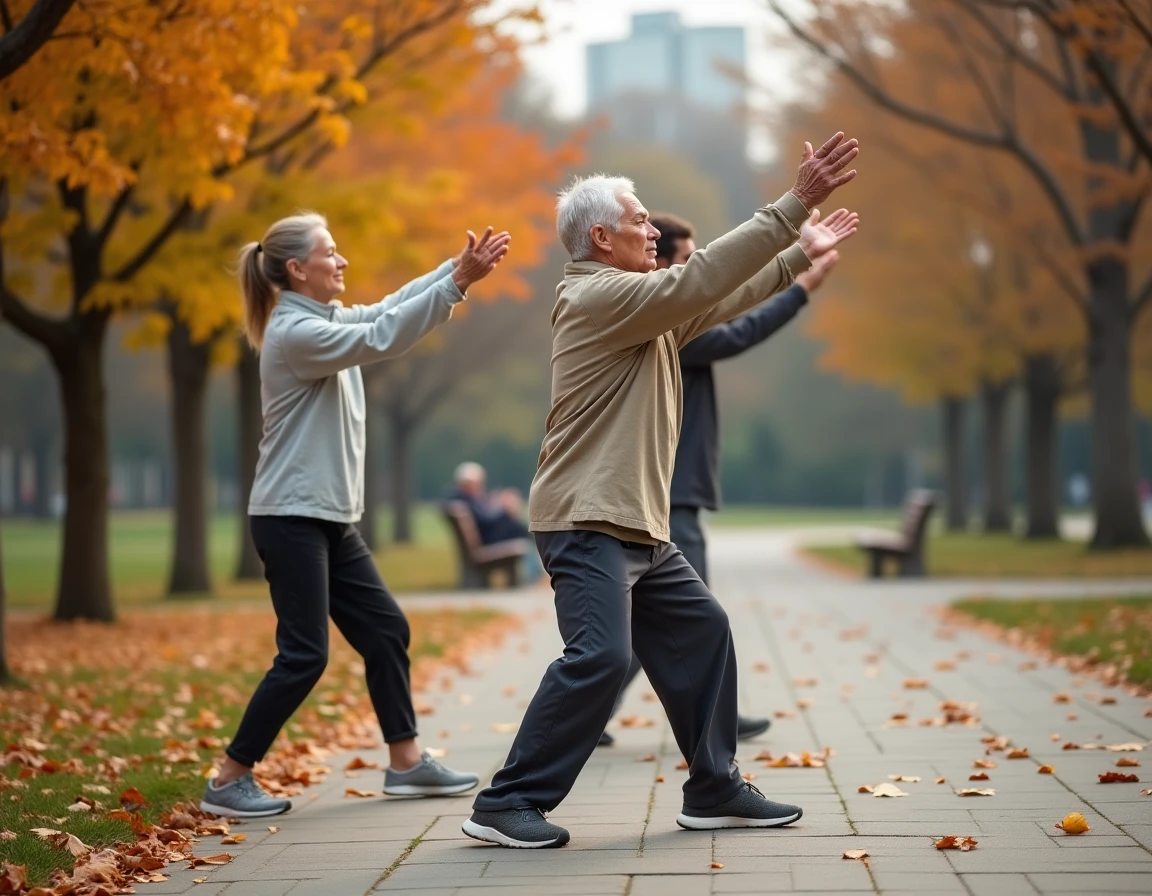
Building your project retirement: paid engagement and connected health
The concept of project retirement is based on one principle: each activity fits into a coherent path rather than an accumulation. In practical terms, this means articulating training, engagement, and health monitoring within a structured calendar.
Paid engagement remains a little-known option. Combining work and retirement allows for engaging in a salaried or independent activity while receiving a pension. Some retirees choose occasional missions in consulting, training, or expertise in their former professional field. This framework differs from volunteering by the financial and contractual recognition of the work provided.
Connected health and maintaining the path
Connected health plays a supportive role in the sustainability of an active retirement project. Monitoring tools (walking apps, teleconsultation, prevention reminders) do not replace traditional medical follow-up, but they allow for early detection of physical decline that could compromise associative engagement or ongoing training.
- Connected watches and bracelets measure daily activity and alert in case of prolonged decline
- Teleconsultation platforms facilitate medical follow-up for retirees engaged in mobility programs abroad
- Some training organizations now integrate a health prevention component into their paths designed for seniors
Articulating training, engagement, and health prevention forms the foundation of a viable project retirement over time. Without this third pillar, dropouts during the journey remain frequent, especially after the first year.
Project retirement is not suitable for all profiles, and the programs that make it possible remain fragmented among different actors (OPCOs, associations, local authorities, European programs). The main barrier is neither financial nor physical: it is the absence of a single entry point that would guide each retiree towards the path suited to their skills and aspirations.